Amazon's 7.65 GW Texas AI Gas Plant Threatens 2040 Climate Pledge
Amazon's 7.65 GW Texas gas plant could emit 33 million tons of CO2 yearly, testing its 2040 net-zero pledge as AI power demand surges sharply nationwide.
Summary
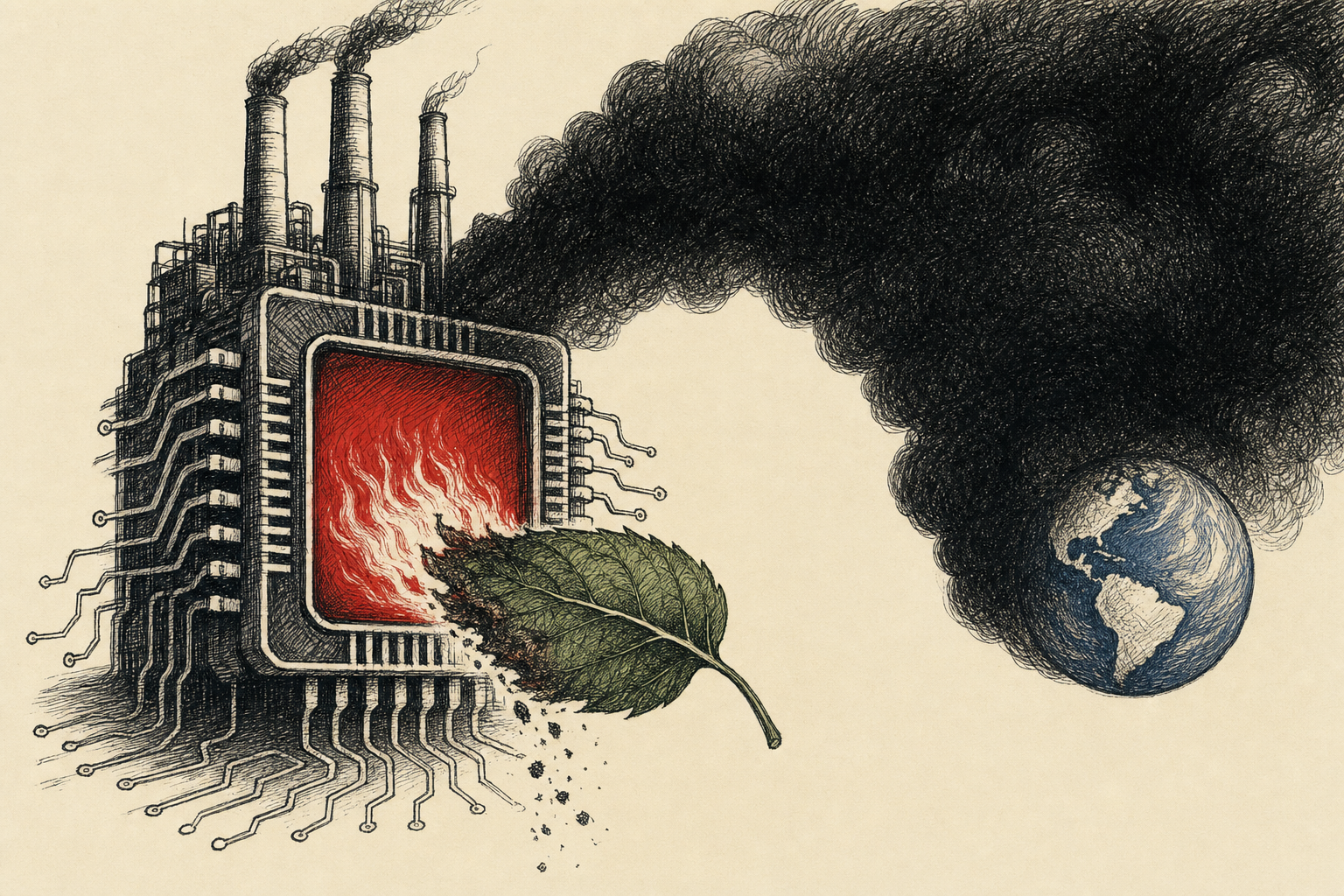
Amazon confirmed its first major off-grid data center investment in Pecos County, Texas: 35 gas turbines generating up to 7.65 GW. Cleanview linked three immediately starting permits to Amazon in early August 2026 and warned it could become America's largest gas plant. Its permit allows 33 million tons of CO2 yearly, potentially the most from any US power plant, despite Amazon's rising emissions and 2040 Climate Pledge. Amazon says self-funded generation will avoid grid strain and higher household bills, later connect to the grid and possibly improve reliability; it is exploring solar and batteries but initially will burn gas. Spokesperson Margaret Callahan said conditions have changed since Amazon co-founded the pledge.
Andy Jassy said July 30 that AI and chip demand is exploding and supply may lag into 2027. Cleanview says Amazon is discussing a 4.5 GW Homer City, Pennsylvania plant and identified 59 behind-the-meter data centers totaling about 90 GW, 25 percent of planned US projects. By mid-2026, xAI ran most of the active 2 GW after Colossus in Memphis reportedly grew from 18 to 27, 33, then 60 unpermitted turbines. The NAACP sued xAI in June; Trump backed dismissal, arguing citizens cannot enforce the Clean Air Act. Anthropic, Google, Meta, Microsoft, OpenAI and Oracle also pursue self-generated power.
EIP counts at least 82 proposed or building data center gas plants, mostly emerging within 18 months; some gain approval in days without notice. Trump rolled back protections, backs fast-tracking and fossil generation in the AI race with China, while EPA chief Lee Zeldin has set no national standards. El Paso Electric says renewables alone cannot yet continuously power the largest sites. Permitting delayed OpenAI, Oracle and Microsoft; Cleanview expects only 5 GW of a possible 13 GW by 2027, although resistance blocked $130 billion in other data center projects this year. EIP plans litigation for stricter controls as Texas leads Utah, Pennsylvania, Ohio, New Mexico, Wyoming and Florida.
Positives
- Amazon says it will pay the full power costs, preventing its Pecos County data center from raising Texas families' electricity bills.
- Solar generation and battery storage remain under consideration for the Texas site, although gas turbines will supply its initial power.
- Future grid interconnection could add local electricity supply and improve reliability and affordability, according to Amazon.
- Permitting delays could limit 2027 behind-the-meter additions to 5 GW, versus 13 GW of possible projects, Cleanview forecasts.
- Community resistance has blocked $130 billion in other data center projects this year.
- EIP plans litigation seeking stricter pollution rules for US data center developers.
Risks & concerns
- The Texas plant could emit 33 million tons of CO2 annually, more climate pollution than any existing US power plant.
- Gas pollution can worsen climate impacts and contribute to asthma, heart disease, lung cancer and strokes in nearby communities.
- xAI's Colossus site reportedly expanded from 18 to 60 unpermitted gas turbines while Memphis communities struggled to assess pollution.
- At least 82 gas plants have been proposed or are being built for US data centers, mostly within the past 18 months.
- Trump administration fast-tracking and absent nationwide EPA standards could allow some projects to win approval within days and without public notice.
- Developers are using mobile generators, aircraft-derived turbines, inefficient reciprocating engines, refurbished units and simpler turbines that can pollute more.