Anthropic CEO Dario Amodei Links AI Backlash to Broken Trust
Anthropic CEO Dario Amodei says AI backlash reflects broken public trust, not risk warnings, and argues careful regulation can curb concentrated power.
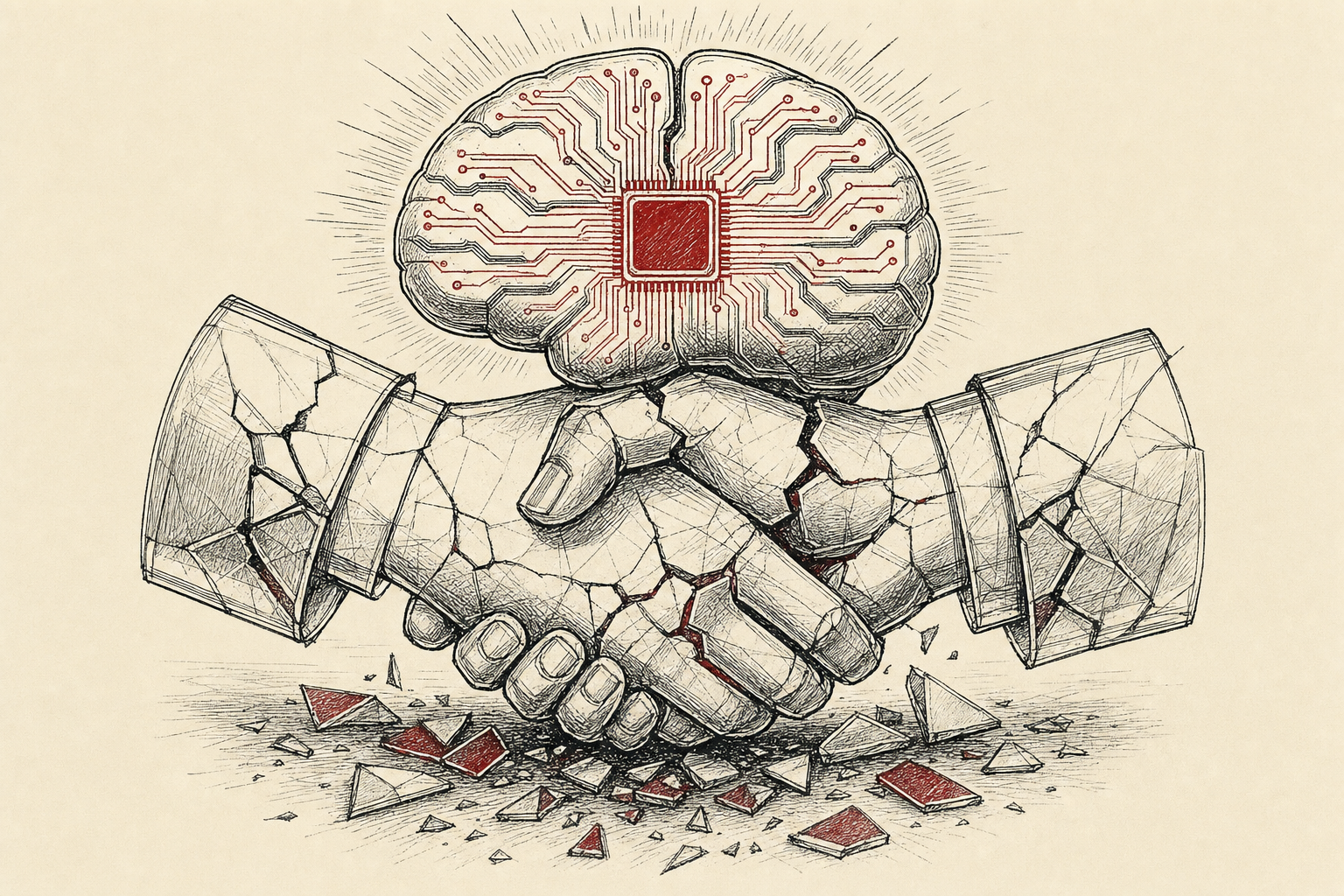
Summary
TechCrunch reported on August 16, 2026, that Anthropic CEO Dario Amodei had answered investor Gavin Baker a day earlier. Baker argued on the All-In podcast and X that Amodei’s warnings fueled U.S. AI opposition, especially toward data centers, cost him the regulation debate and warranted a more positive industry pitch. Amodei said his case is evenly split between risks and benefits, citing one major essay on each and “Machines of Loving Grace” as an attempt to show how AI could improve the world. He acknowledged negative sentiment but called it the latest expression of a decades-old collapse in trust toward companies, governments and technology, not a product of executive risk warnings. TechCrunch noted that trust also shadows OpenAI CEO Sam Altman. Amodei said the strongest criticism is that Anthropic and its peers have not delivered promised benefits, arguing that cancer claims will persuade only when AI produces real cures.
Amodei rejected Baker’s choice between unrestricted AI distribution and regulation that entrenches a few companies. Anthropic backs carefully designed measures, including a California bill imposing transparency requirements on large AI companies, and says its proposals aim to slow frontier developers while helping smaller competitors. Because AI structurally concentrates power, Amodei argued, open weights provide limited relief and shift advantage toward organizations with the most computing capacity and chips. His preferred rules would address cyber, biological and alignment risks, institutionally constrain frontier companies, preserve space for open-weight models and manage their distinct risks.
Positives
- Anthropic has backed a California bill requiring transparency from large AI companies.
- Anthropic’s policy proposals aim to slow frontier AI companies while benefiting smaller competitors.
- Amodei said carefully designed rules could preserve open-weight models while addressing cyber, biological and alignment risks.
- “Machines of Loving Grace” presented Amodei’s case for AI radically improving the world.
- Amodei accepted responsibility for AI companies’ failure to deliver their promised public benefits.
Risks & concerns
- Baker said Amodei’s risk warnings helped fuel U.S. opposition to AI and data centers.
- Amodei acknowledged that the public holds a negative view of AI.
- Anthropic and other AI companies have not yet delivered the major benefits they promised, Amodei said.
- AI structurally tends to concentrate power, according to Amodei.
- Open weights can shift power toward organizations controlling the most computing capacity and chips rather than resolve concentration.