Anthropic’s Claude Watermarks Spark Backlash Over AI Detection
Anthropic adds invisible watermarks to Claude outputs under the EU AI Act, sparking Reddit backlash from users worried their AI-assisted work will be exposed.
Summary
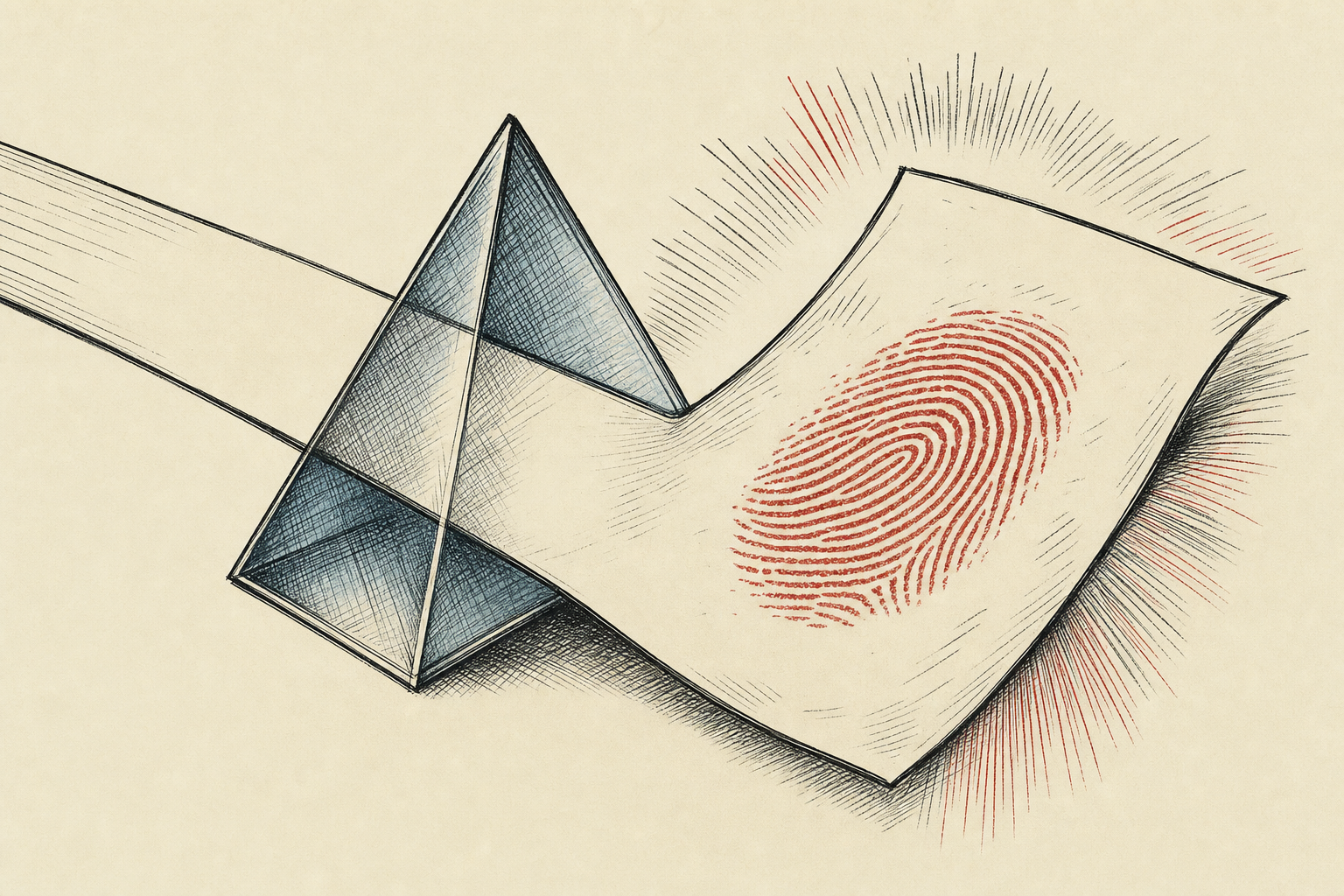
Anthropic has begun embedding invisible code in Claude’s editorial output to make AI-generated text machine-identifiable, complying with the EU AI Act’s Transparency Code. TechCrunch reported the change on August 12, 2026. The watermark could expose users who submit Claude text unchanged, while paraphrasing or processing it through another AI service may conceal its origin.
Reddit user visionode, posting from a three-week-old account, argued that students reorganizing paragraphs, journalists summarizing 200-page transcripts and blocked writers seeking synonyms could be unfairly flagged. TechCrunch countered that journalists or students copying Claude verbatim would be acting unethically. Another critic called watermarking “unethical” because users supply instructions, context, decisions and refinements, while a third cited the irony of models marking outputs after training on others’ work. Most cited Reddit responses supported detection as protection against risks and deception, mocked the complaints or urged critics to calm down.
Positives
- Anthropic’s invisible code makes Claude-generated editorial text identifiable to computer systems.
- The policy brings Claude into compliance with the EU AI Act’s Transparency Code.
- Most cited Reddit responses considered watermarking a sensible safeguard against AI-related risks and deception.
- Watermarks could identify students, journalists or other users who submit Claude outputs unchanged.
Risks & concerns
- Visionode argued that ordinary Claude users could be flagged even when reorganizing paragraphs, summarizing 200-page transcripts or requesting synonyms.
- Paraphrasing Claude output or passing it through another AI service may allow sophisticated users to evade detection.
- One Reddit critic said watermarking discounts users’ instructions, context, decisions and repeated refinements.
- Another critic called the policy ironic because frontier models were trained using other people’s work.