Google AMIE Demonstrates Expert-Level Medical Video Consultations
Google’s AMIE, built on Gemini and Project Astra, showed expert-level video consultation skills in a randomized study with patient actors and physicians.
Summary
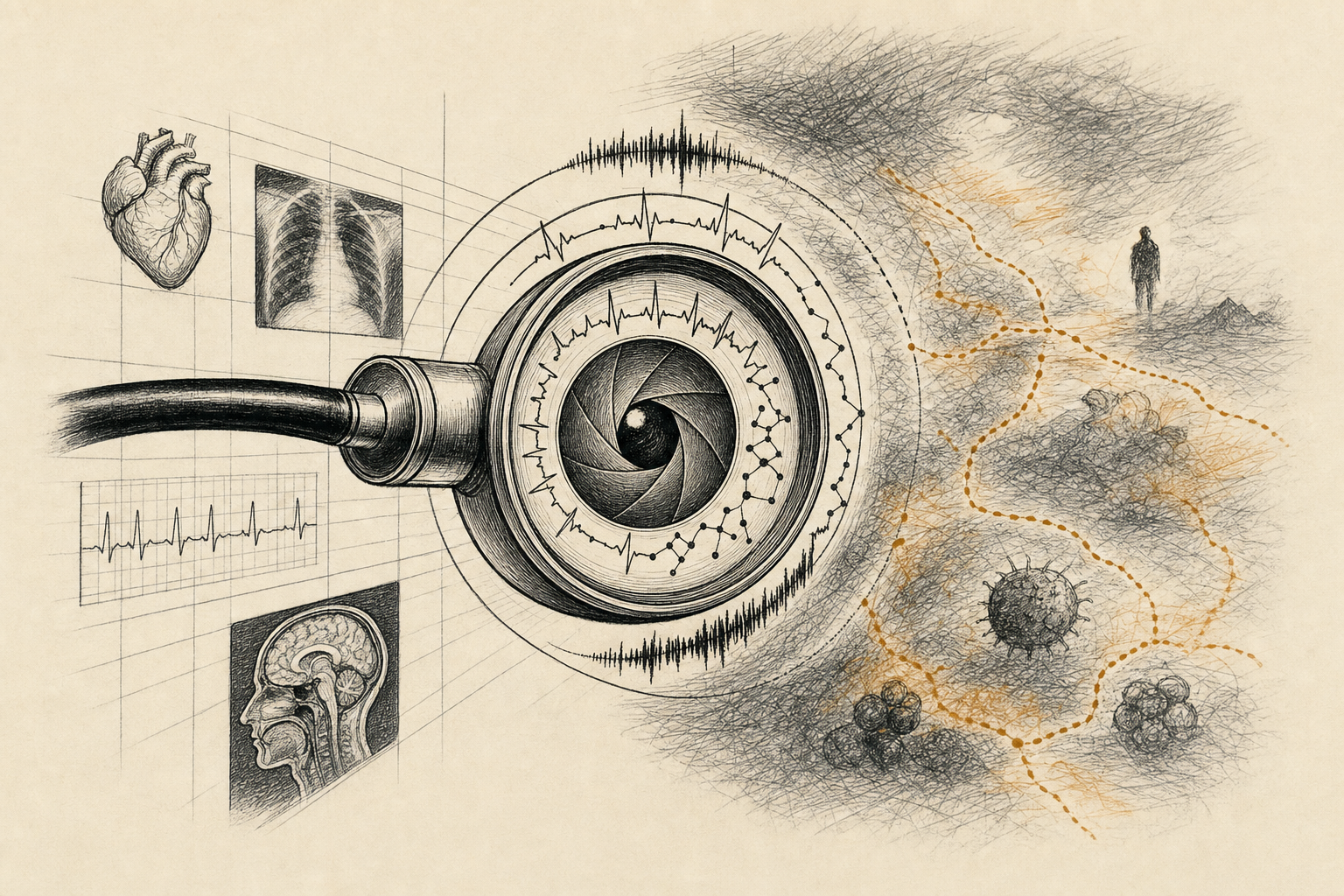
Google Research lead Anil Palepu said on August 11, 2026, that Google Research and Google DeepMind had advanced AMIE, a research medical AI built on Gemini and Project Astra, to real-time clinical video consultations. Google called the demonstration first of its kind and expert-level. AMIE’s multi-agent architecture interprets visual and auditory cues, guides virtual physical examinations and performs diagnostic reasoning during calls.
In a randomized study of simulated consultations involving patient actors and primary care physicians, clinical evaluators rated AMIE favorably for history-taking thoroughness, diagnostic accuracy, management appropriateness and communication quality. Patient actors preferred video consultations to text chat. AMIE remains a research system, and Google said further study is required before responsible real-world deployment. The post provided no sample size, quantitative results or rollout date.
Positives
- AMIE’s Gemini and Project Astra foundation combines visual and auditory interpretation, virtual examination guidance and real-time diagnostic reasoning.
- Clinical evaluators rated AMIE favorably across history-taking, diagnostic accuracy, management appropriateness and communication in the randomized simulation.
- Patient actors preferred AMIE’s video consultation experience to text chat, supporting multimodal clinical interaction.
Risks & concerns
- AMIE remains a research system, and Google says further study is needed before responsible real-world clinical deployment.
- The randomized study used simulated consultations and patient actors, leaving performance in routine clinical care untested.
- Google’s post reported no sample size, quantitative competency scores or deployment date, preventing readers from measuring the strength of the results.