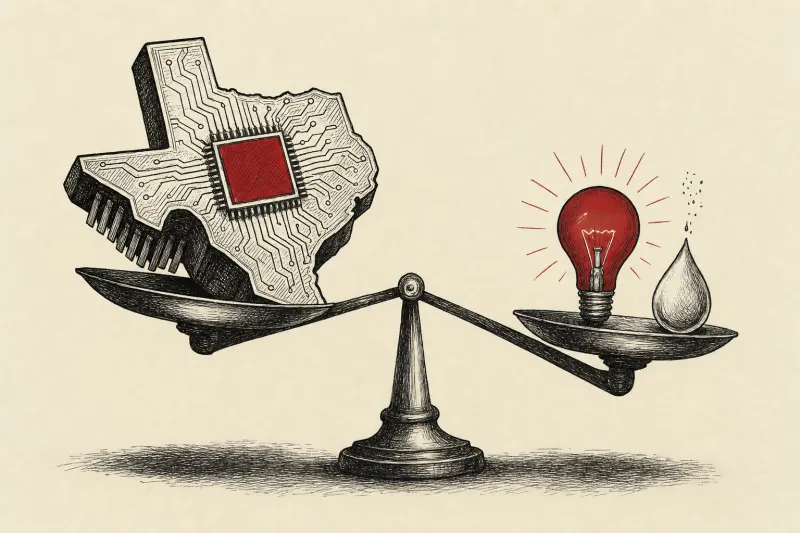
Google, NVIDIA and Emerald AI Launch AEMA for Flexible AI Data Centers
Emerald AI, Google and NVIDIA launch AEMA to speed U.S. AI data center grid connections with measurable standards for flexible, reliable electricity use.
Summary
On September 16, 2026, Emerald AI, Google and NVIDIA launched the AI Energy Management Alliance, AEMA, to help U.S. AI data centers dynamically adjust electricity consumption as power availability constrains expansion. Facilities could shift computing workloads, discharge storage, use paired generation or reduce demand during contingencies, potentially accelerating larger grid connections, easing system stress, using existing capacity more efficiently and avoiding or delaying costly upgrades.
AEMA will use technology neutral, performance based requirements covering response speed, duration, predictability and emergency behavior. Its principles include defining ride through, curtailment and contingency obligations before connection, standardizing technical requirements, metrics and operational data sharing, creating faster risk adjusted pathways for verifiable flexibility commitments, and assigning interconnection costs according to actual impacts and benefits. The coalition spans AI platforms, infrastructure providers, data center operators, technology companies, power producers, utilities and regional grid operators. It will develop technical and operational models, work with utilities on interconnections and advocate for policies recognizing grid responsive demand. NVIDIA and Emerald AI already work with energy and infrastructure organizations on AI facilities responding to grid conditions in real time, but launch partners, implementation standards and timelines remain unspecified.
Positives
- Emerald AI, Google and NVIDIA formed AEMA to coordinate flexible electricity use across U.S. AI infrastructure and power systems.
- Flexible facilities could shift workloads, discharge storage, use paired generation or curtail demand during grid emergencies.
- Performance based requirements could let operators evaluate response speed, duration, predictability and emergency behavior without prescribing technology.
- Verifiable flexibility commitments could qualify AI facilities for faster, risk adjusted grid connection pathways.
- Interconnection costs could reflect avoided upgrades, improved ramping and other actual grid impacts and benefits.
Risks & concerns
- Power availability has become a defining constraint on U.S. AI infrastructure expansion.
- Traditional interconnection processes assume flat electricity demand and were not designed for computing facilities capable of responding dynamically.
- Faster connections depend on credible flexibility commitments, standardized operational data and obligations agreed before facilities connect.
- AEMA has not specified its launch partners, final technical standards, implementation schedule or measurable deployment targets.