Hank Green’s AI Rethink Reveals Blind Spots in YouTube’s Disclosure Rules
Hank Green’s AI rethink exposes YouTube disclosure gaps around AI-assisted research, scripts, outlines and voice clones, and the creative risks they pose.
Summary
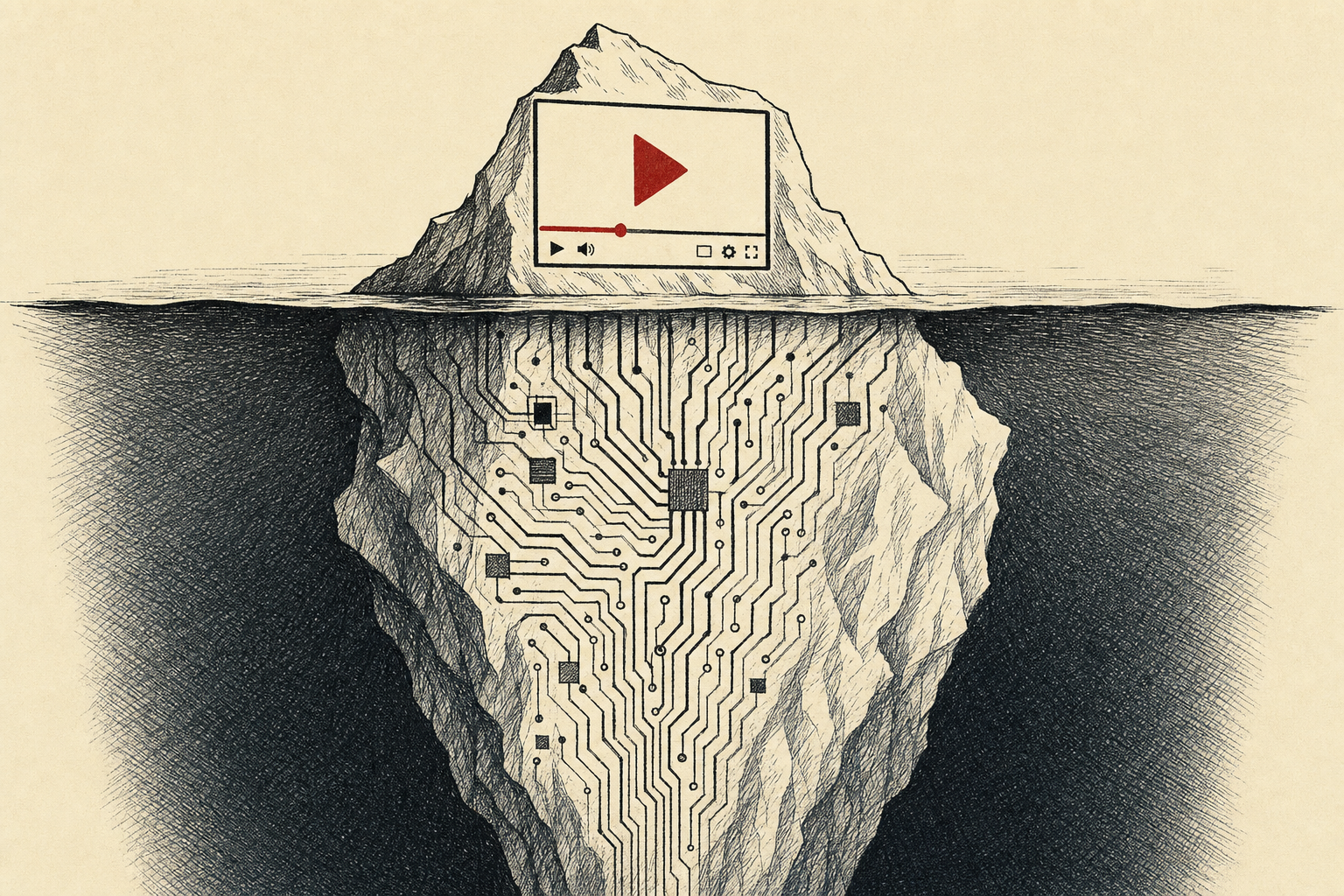
Ars Technica argues that YouTube’s disclosure system addresses visible AI deception but misses how generative tools can quietly shape research, ideas, and editorial structure. The article centers on science creator Hank Green, who acknowledged that he had come to depend too heavily on AI while researching videos. Green maintains that he writes his own scripts, but audience criticism prompted him to reconsider whether AI was influencing his work before he began writing.
YouTube requires creators to disclose AI use when realistic material has been substantially generated or altered, including depictions of real people doing things they did not do, realistic events that never happened, and AI-generated music. However, the platform generally does not require labels for idea generation, research assistance, outlines, scripts, thumbnails, titles, infographics, self-cloned voiceovers, or clearly animated imagery. The result is a policy focused primarily on what audiences can see or hear in the finished video, rather than on the tools that determined its premise, evidence, organization, or narration.
In a Reddit post dated July 31, Green said AI had rapidly directed him to academic papers and other sources he might not otherwise have found. He concluded, however, that this efficiency had limited his freedom to discover his own routes into a subject. He linked the problem to pressure to publish more content and said his workflow had accelerated until he no longer clearly understood his own process. Green also described the reward cycle created by frequent interaction with large language models as unhealthy for himself and harmful more broadly. His stated conclusion, that greater output does not necessarily improve the work, means he will probably release fewer videos.
The verifiable facts are that Green disclosed his research practices voluntarily, said his scripts remained his own, and reassessed those practices after viewers detected what they believed was AI influence. The broader claim, that AI-assisted work develops a recognizable machine-shaped character, is the article’s interpretation, not a demonstrated finding about every creator or model. Ars suggests that people researching without AI may encounter sources in a different order, spend longer developing subject knowledge, notice different details, and produce more idiosyncratic structures or digressions. Accurate AI output can therefore still affect a work’s intellectual character without introducing a conventional factual error or synthetic image.
This distinction matters to viewers, creators, educators, journalists, and platforms because disclosure labels can imply transparency while omitting consequential uses beneath the final presentation. A geopolitical video, for example, could theoretically have an AI-selected premise, AI-led research, a generated outline, a draft script, a creator-owned cloned voice, and animated weapons imagery without necessarily triggering YouTube’s current label. The immediate next step is Green’s promised reduction in production pace and adjustment of his research process. It remains uncertain whether YouTube will broaden its rules, whether audiences want disclosure of behind-the-scenes assistance, and where platforms could draw a workable line between ordinary software support and AI influence substantial enough to declare.
Positives
- YouTube requires disclosure when realistic AI content falsely depicts a real person saying or doing something or presents a plausible event that did not occur.
- Hank Green publicly reviewed his workflow after audience complaints and disclosed on July 31 that he had relied heavily on AI to locate papers and learning resources.
- Green emphasized that he writes his own scripts, distinguishing AI-assisted research from fully generated authorship.
- AI research tools gave Green rapid access to academic papers he previously did not know existed, demonstrating a concrete discovery benefit.
- Green concluded that producing more material did not automatically improve its quality and indicated that he would likely publish fewer, more deliberately developed videos.
Risks & concerns
- YouTube does not generally require disclosure when AI is used for ideas, research, outlines, scripts, thumbnails, titles, infographics, or a creator’s cloned voice.
- A video’s argument and structure could be extensively shaped by AI without receiving a label, provided its finished imagery does not cross YouTube’s realism-based threshold.
- Green said the speed of his AI-assisted workflow eventually made his own creative process unclear to him.
- Green concluded that AI-directed research had reduced his freedom to discover independent approaches to a subject.
- The article warns that turning to AI too early may narrow research paths, reduce domain mastery, and lock creators into conventional structures before more personal ideas emerge.