Kids on AI in 2026: Useful Tool, Threat to Thinking and Creativity
US teens use AI mostly for search, school and fun, but young users warn of cheating, weak thinking, misinformation, unsafe content and environmental costs.
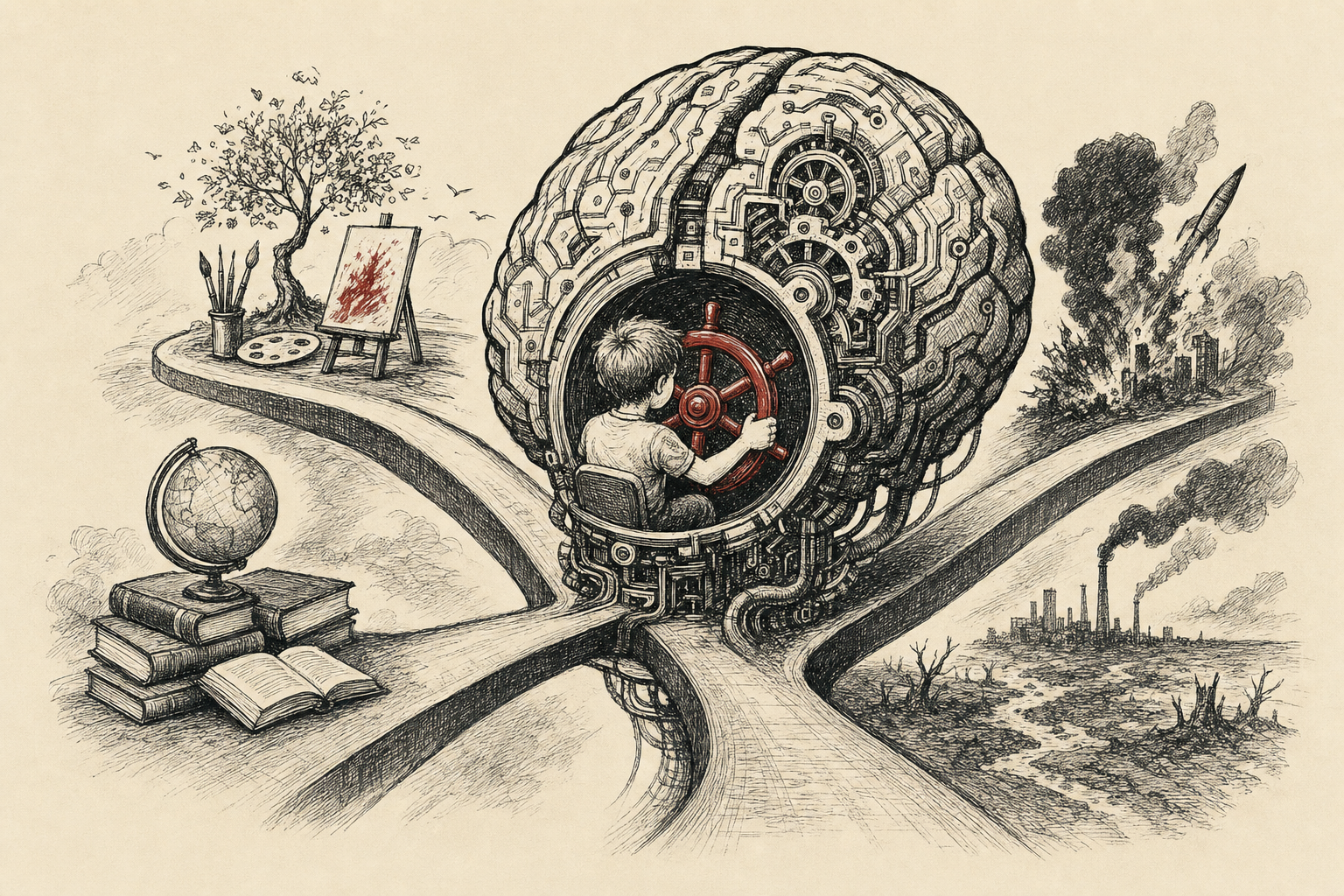
Summary
MIT Technology Review’s August 13, 2026 interviews with 10 to 18 year olds found indifference, hostility and selective use, introduced by parents, schools, Google search or embedded apps. Pew Research Center’s February 2026 survey found US chatbot use of 57% for information, 54% for schoolwork, 47% for entertainment and 12% for emotional support or advice, over four times more innocuous than potentially harmful.
Remy, 16, New York, uses free Claude for programming but found sloppy code and 70 minute anti-cheating essays; he cited Princeton’s first faculty proctoring in over a century, its 1893 honor code, an Instagram chatbot exploit affecting Obama, and human verified breast cancer detection. Danielle, 18, California, is scaling Next Voters, whose five agents find, verify, scrape weekly, classify and summarize city and state policy into cited briefs. Hazel, 17, New York, rejects AI over data center water use and claimed one to two degree local warming. Wesley, 14, Ohio, limits ChatGPT to grammar and debugging but says Character.AI’s One Piece on Netflix simulations carry unfiltered content and failing memory. Sylvia, 10, Michigan, uses SchoolAI for revision, avoids AI art and songwriting, and found an AI-created Spotify act.
Evelyn, 13, Oregon, diagnosed with type 1 diabetes in January, uses ChatGPT for carbohydrate counts and a glucose monitor and insulin pump that predicts highs 30 minutes ahead, corrects dosing and pauses insulin before lows, but rejects an AI doctor. Krishiv, 17, Ontario, built Aceflow from 30 minute YouTube lectures, blogs, PDFs and slides after Khan Academy’s waitlist; TikTok brought thousands of users, then BenchSci, Simple Ventures and MIT lab and course roles plus CheetahPrep.com, following an eighth-grade class for about 30 special-needs children. Amid billions for agentic AI, children favored literacy and safeguards against cheating, misinformation, bias, errors, unsafe content, weakened judgment, creativity and environmental harm, while retaining control.
Positives
- 57% of US teens used chatbots to find information, while 54% used them for schoolwork and 47% for entertainment.
- Next Voters uses five AI agents to turn official city and state records into concise, cited policy email briefs.
- Evelyn’s glucose monitor and insulin pump predict highs, correct dosing and suspend insulin before anticipated lows.
- Aceflow gained thousands of users after Krishiv promoted his personalized AI tutor on TikTok.
- SchoolAI helps Sylvia revise writing without generating the work for her.
Risks & concerns
- Remy said school cheating concerns replaced take-home English work with 70 minute classroom essays that hinder his writing.
- Wesley found Character.AI content insufficiently filtered, while its free version slows and forgets earlier events in long conversations.
- Hazel rejects AI because data centers consume local water and, she claimed, can raise nearby temperatures by one or two degrees.
- Danielle fears excessive trust in AI could amplify misinformation, disinformation and bias while weakening critical thinking.
- Winter, 17, fears AI could erode creativity and critical thinking.