Meta Glimmer and Muse Spark Test Zuckerberg’s AI Access Claim
Meta's downloadable Glimmer model contrasts with API-only Muse Spark, testing Mark Zuckerberg's claim that AI should be for everyone, not just a few labs.
Summary
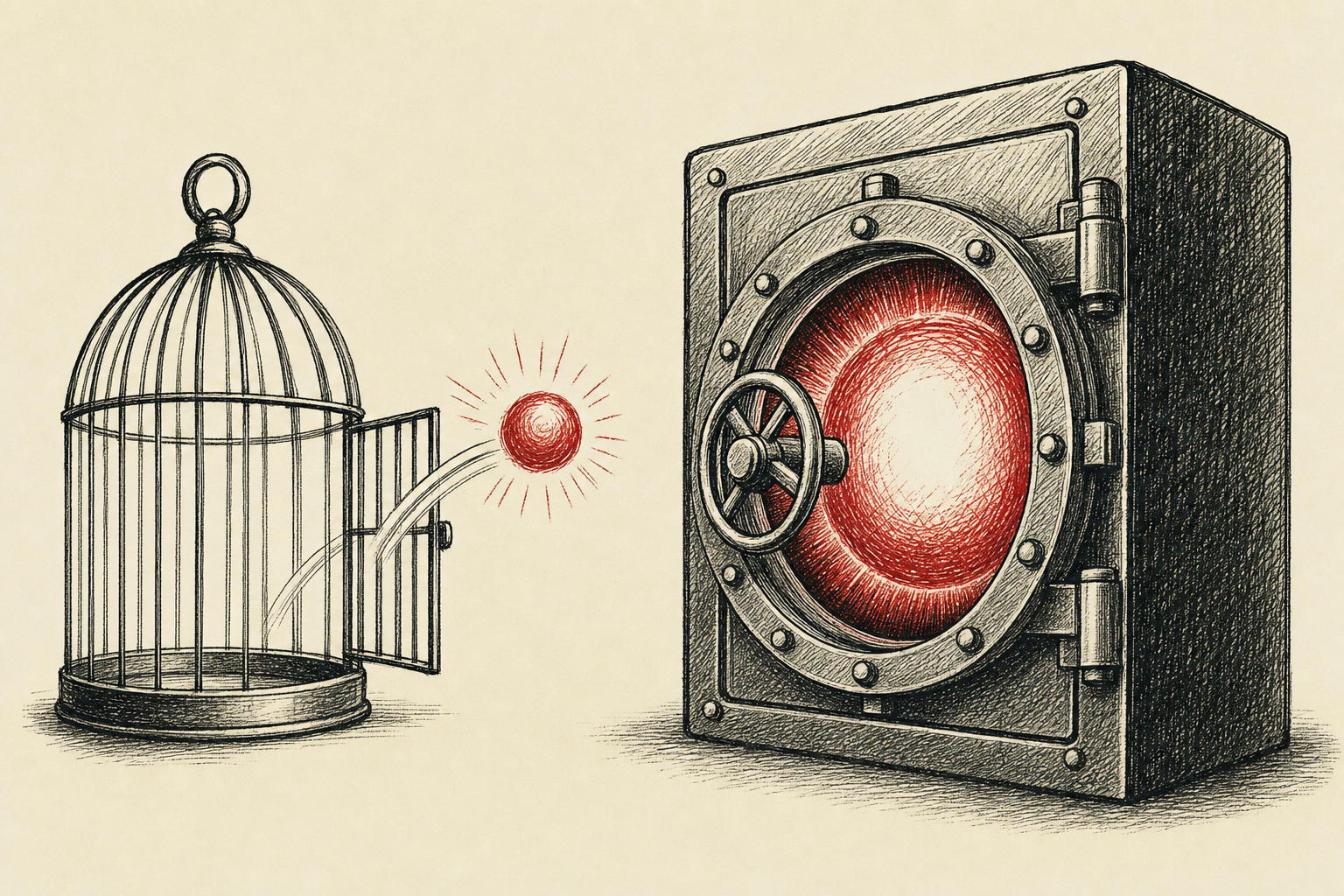
Meta released Glimmer during the week of August 14, 2026, as an open-weight AI model anyone can download and run on their own hardware. It contrasts with Muse Spark, Meta’s more powerful model, which remains accessible only through the company’s APIs. Mark Zuckerberg paired the release with a 6,500-word letter arguing that AI should be “for everyone,” rather than controlled by a handful of labs, although TechCrunch’s Equity hosts said his vision carries caveats.
In a 33-minute Equity episode published at 8:43 a.m. PDT and presented by TechCrunch audio producer Theresa Loconsolo, hosts Kirsten Korosec, Anthony Ha and Rebecca Bellan assess Glimmer and Zuckerberg’s manifesto alongside the AI industry’s energy costs and an unspecified $250 million acquisition described as having gone badly. The page lists Amazon, Anthropic, data centers and Joby Aviation as topics but provides no further details about their roles.
Positives
- Glimmer’s open weights let anyone download the model and run it on their own hardware.
- Muse Spark gives Meta a more powerful AI model, according to TechCrunch’s description.
- Zuckerberg’s 6,500-word letter publicly argues against AI control by only a handful of laboratories.
Risks & concerns
- Muse Spark remains restricted to Meta’s APIs despite Zuckerberg’s claim that AI should be for everyone.
- Equity’s hosts say Meta’s access vision carries caveats, although the source does not explain them.
- The episode examines the AI industry’s energy needs and their true cost, but the article supplies no figures.
- A $250 million acquisition went badly, but the source does not identify the buyer, target or outcome.