Meta Muse Glimmer Brings Local AI Agents to Consumer GPUs
Meta’s 30 billion parameter Muse Glimmer runs AI agents locally on one consumer GPU, revealing its privacy pitch and limits on open AI superintelligence.
Summary
Meta released Muse Glimmer on Monday, August 10, 2026, offering the clearest implementation yet of CEO Mark Zuckerberg’s “personal superintelligence” vision. The 30 billion parameter, open weight model is essentially an open counterpart to Muse Spark, Meta’s most powerful closed model, introduced in April. Licensed under Apache 2.0, Glimmer can be downloaded, modified and run on a Mac or PC with one consumer GPU. It supports text and images, was trained across more than 100 languages, and can call tools, handle files and screenshots, write and debug code, and complete extended, multi-step workflows.
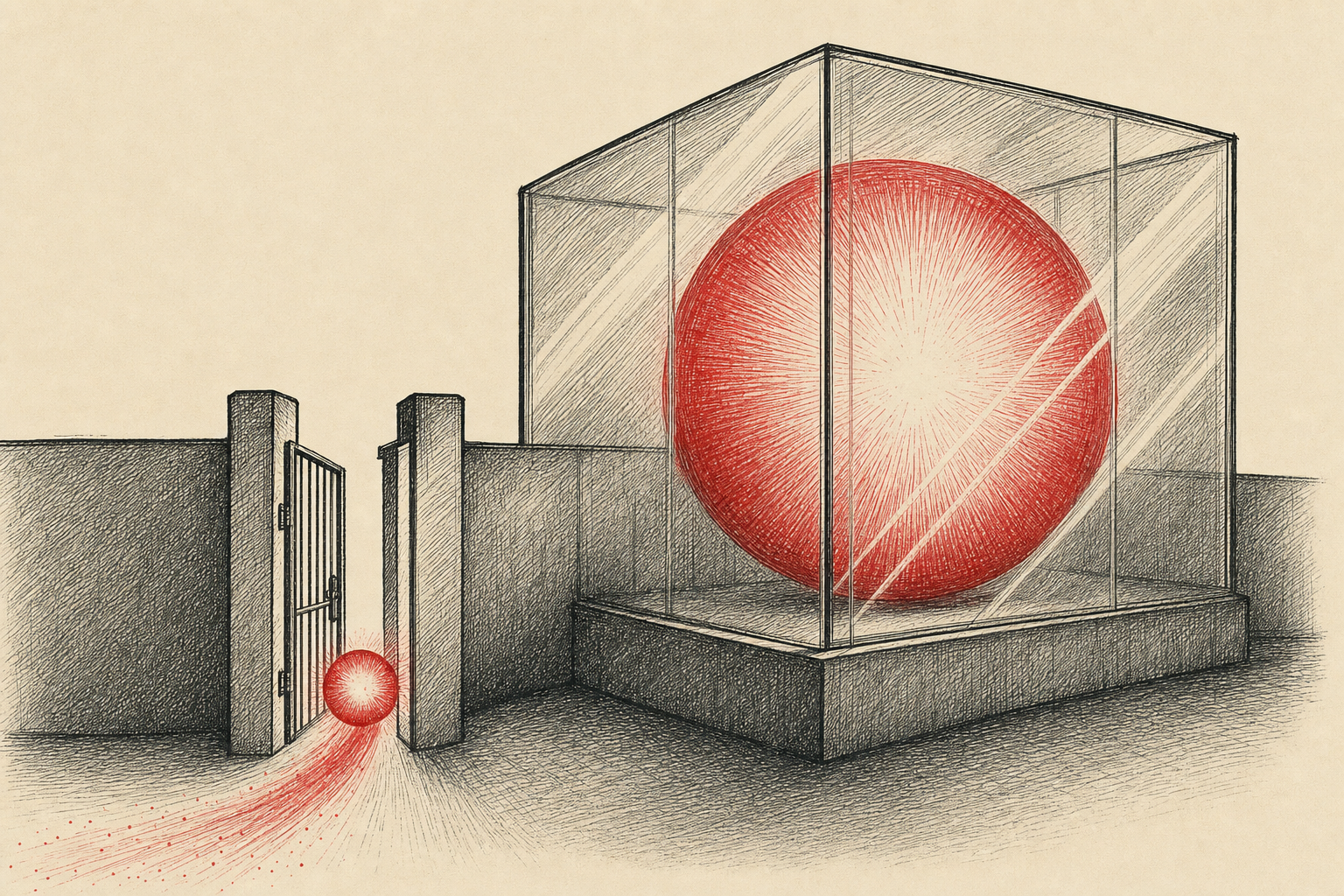
Meta proposes using Glimmer to manage schedules, draft messages and organize files, processing sensitive personal data locally rather than in the cloud. The model is designed to remain available anywhere, including without internet access. In 2025, Zuckerberg argued that advanced AI should empower individuals rather than remain concentrated among a few companies, while acknowledging safety limits on open releases. In a Monday letter, he said widely distributed superintelligence could provide a 24/7 agent for relationships, health, careers, finances, homes and hobbies, while helping users create businesses or advance science, with free or affordable access. However, access does not equal ownership: users can download and fine-tune Glimmer, while the more powerful Muse Spark remains under Meta’s control, indicating where the company may divide open personal AI from its strongest proprietary intelligence.
Positives
- Apache 2.0 licensing lets developers download, modify and fine-tune Muse Glimmer.
- One consumer GPU can run Glimmer locally on a Mac or PC.
- More than 100 training languages and support for text and images broaden Glimmer’s potential uses.
- Local processing could keep schedules, messages and files from being sent to cloud infrastructure.
- Offline operation is designed to keep Glimmer available anywhere without an internet connection.
Risks & concerns
- Muse Spark, Meta’s most powerful model, remains closed while the smaller 30 billion parameter Glimmer is openly downloadable.
- Schedule management, message drafting and file organization require extensive access to sensitive personal data.
- Meta may withhold increasingly powerful models because of safety concerns, limiting Zuckerberg’s promise of widely distributed superintelligence.
- Free or affordable access would not provide ownership of Meta’s strongest intelligence.