Microsoft CARE-X Hits 94% Accuracy in Chest X-Ray AI Research
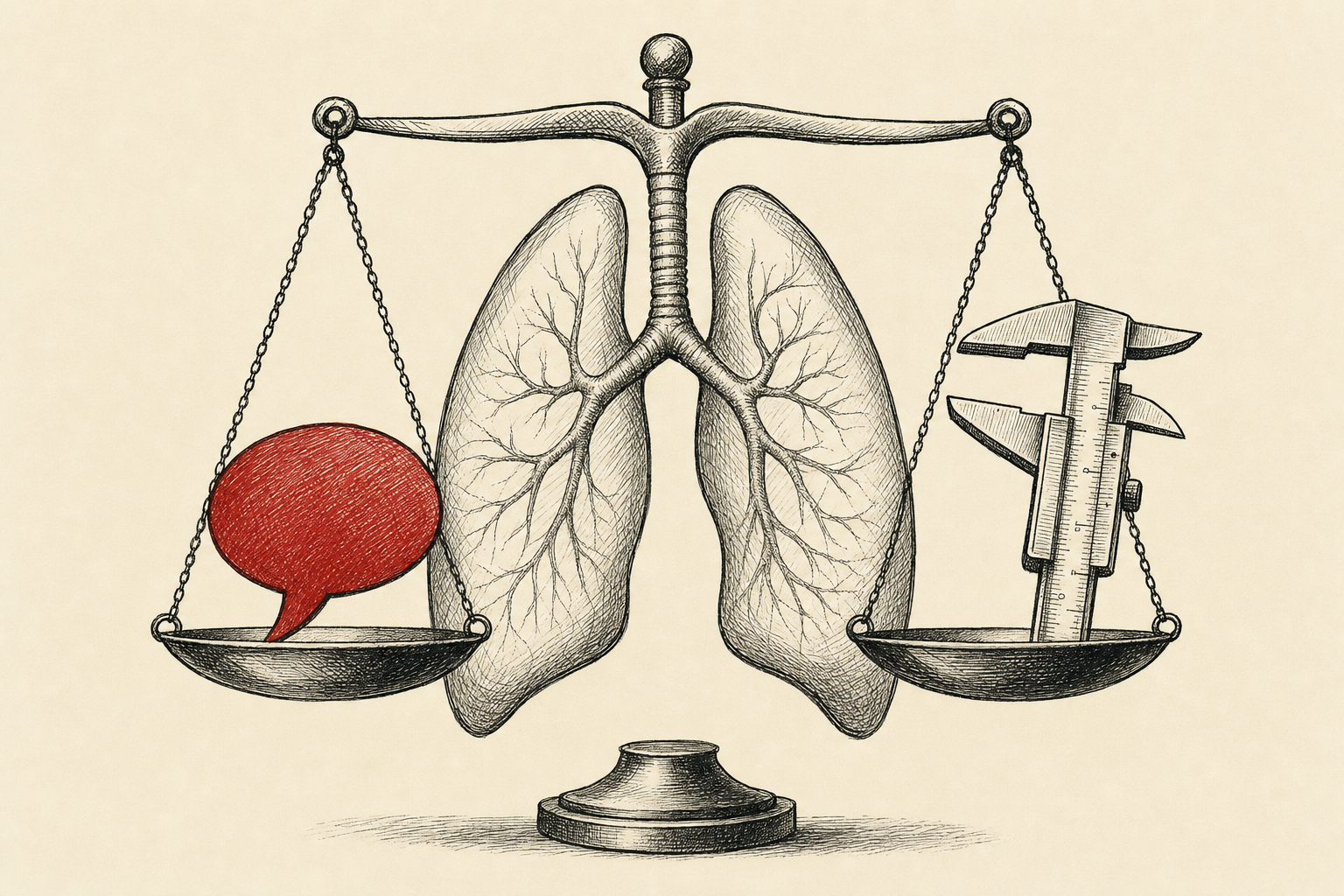
Microsoft's CARE-X pairs calibrated chest X-ray AI with tool-based measurement, posting 94% ReXVQA accuracy but remaining research-only and unapproved.
Summary
Published August 11, 2026, Microsoft Research’s CARE-X is a unified chest X-ray vision-language research model spanning reports, presence and negation, location, disease and device classification, abnormal placement, phrase grounding and 29 anatomical regions. Built from SigLIP2-so400M and Phi-4-mini-instruct (3.8B), it co-trains language, classification and grounding heads for free text, calibrated P(Yes)/P(No) scores and localization. Three-stage fine-tuning and LoRA precede DAPO reinforcement learning with reporting, diagnostic and spatial rewards.
Auxiliary grounding improved Chest ImaGenome anatomy by 28.2 percentage points mAP and 6.2 points mIoU, and PadChest phrase grounding by 24.6 and 14.1 points; DAPO generative anatomy grounding reached 0.868 mAP versus 0.865 for the supervised detection head. CARE-X led CRIMSON on MIMIC-CXR, IU-Xray, CheXpert-Plus and ReXGradient, and scored 94% on 41,007 ReXVQA pairs, six points above the next public model in August 2026. A separate, untrained Qwen3-VL-4B-Instruct tool pipeline raised F1 from 74.56 to 96.00 for cardiomegaly, 72.63 to 97.47 for mediastinal widening, 60.31 to 99.76 for aortic knob enlargement, 39.33 to 100.00 for ascending and 28.57 to 100.00 for descending aorta enlargement, averaging 43.6 points.
Narayana Health validation used 1,047 de-identified Indian radiographs across five rare ICU conditions with 2.6% to 5.2% prevalence; CARE-X had the highest sensitivity in three and the most balanced performance. Among 122 CT-confirmed positive enlargement cases, tools reached 94.26% recall, 10.65 points above perception alone. An EACTS 2026 study detected 40 of 43 mild aortic dilations, 93%, versus 5 of 43, 12%, on initial reads, surfacing 35 more cases. Medha AI collaborated, and the application became a World Hospital Congress 2026 IHF Innovation Hub finalist. CT-confirmed negative cohorts remain under study. CARE-X is retrospective, unapproved, not a product or medical device, and not intended or validated for diagnosis, screening or care.
Positives
- CARE-X scored 94% across 41,007 ReXVQA pairs, six percentage points above the next-best publicly reported model in August 2026.
- Tool-based measurement improved average F1 by 43.6 percentage points across five cardiothoracic enlargement conditions without task-specific training.
- CARE-X’s 0.913 F1 beat CheXOne’s 0.866 and MedGemma’s 0.839 on Chest ImaGenome, while auxiliary thresholds enabled sensitivity and PPV adjustment.
- Auxiliary supervision raised PadChest phrase-grounding mAP by 24.6 percentage points and mIoU by 14.1 points.
- The measurement approach detected 40 of 43 CT-confirmed mild aortic dilations, compared with 5 of 43 initial radiology reads.
- CARE-X achieved the highest CRIMSON score on MIMIC-CXR, IU-Xray, CheXpert-Plus and ReXGradient within Microsoft’s comparison set.
Risks & concerns
- CARE-X has no regulatory clearance or approval and is not intended or validated for diagnosis, screening, patient care or clinical decisions.
- The 122-case enlargement evaluation measured only recall in CT-confirmed positive cases, leaving false-positive performance unknown until negative cohorts are studied.
- All reported clinical findings are retrospective and do not establish CARE-X’s safety, effectiveness or suitability for real-world use.
- CARE-X’s Indian ICU results included fracture specificity of 0.64 and abnormal tubes and lines placement specificity of 0.77.
- The Qwen3-VL-4B-Instruct measurement pipeline was a separate experiment, not an integrated CARE-X capability available to clinicians.