OpenAI Rejects Apple Lawsuit and Publishes Messages to Defend Employees
OpenAI rejects Apple’s lawsuit as baseless, disputes claims about its employees, and says it has released messages documenting the events now in dispute.
Summary
OpenAI has publicly challenged a lawsuit brought by Apple, according to a short summary supplied through OpenAI News. The company characterizes Apple’s case as “baseless,” disputes unspecified assertions involving OpenAI employees, and says it has shared messages that document what occurred. The supplied metadata dates the publication to August 3, 2026, and gives it the confrontational title “Apple is getting this wrong.” No full article text, court filing, case number, jurisdiction, or independent account was available for this briefing.
The verifiable information is therefore narrow: OpenAI has issued a response; Apple is identified as the party behind the lawsuit; employees are implicated in disputed claims; and OpenAI says messages support its version of events. The description of the lawsuit as lacking merit is OpenAI’s position, not an established legal finding. Because the messages themselves were not included in the supplied material, their authors, dates, context, completeness, and relevance cannot be assessed here. It is also unknown which employees are involved or precisely what Apple alleges they did.
The dispute matters because it places two of the technology industry’s most prominent companies in direct legal and reputational conflict. OpenAI’s decision to defend its staff publicly suggests that the allegations extend beyond an abstract disagreement between corporations and may affect identifiable workers or former workers. However, the limited source does not say whether the underlying issue concerns intellectual property, contracts, competition, recruitment, confidential information, product integration, or another matter. Any interpretation of the lawsuit’s broader significance would consequently be speculative.
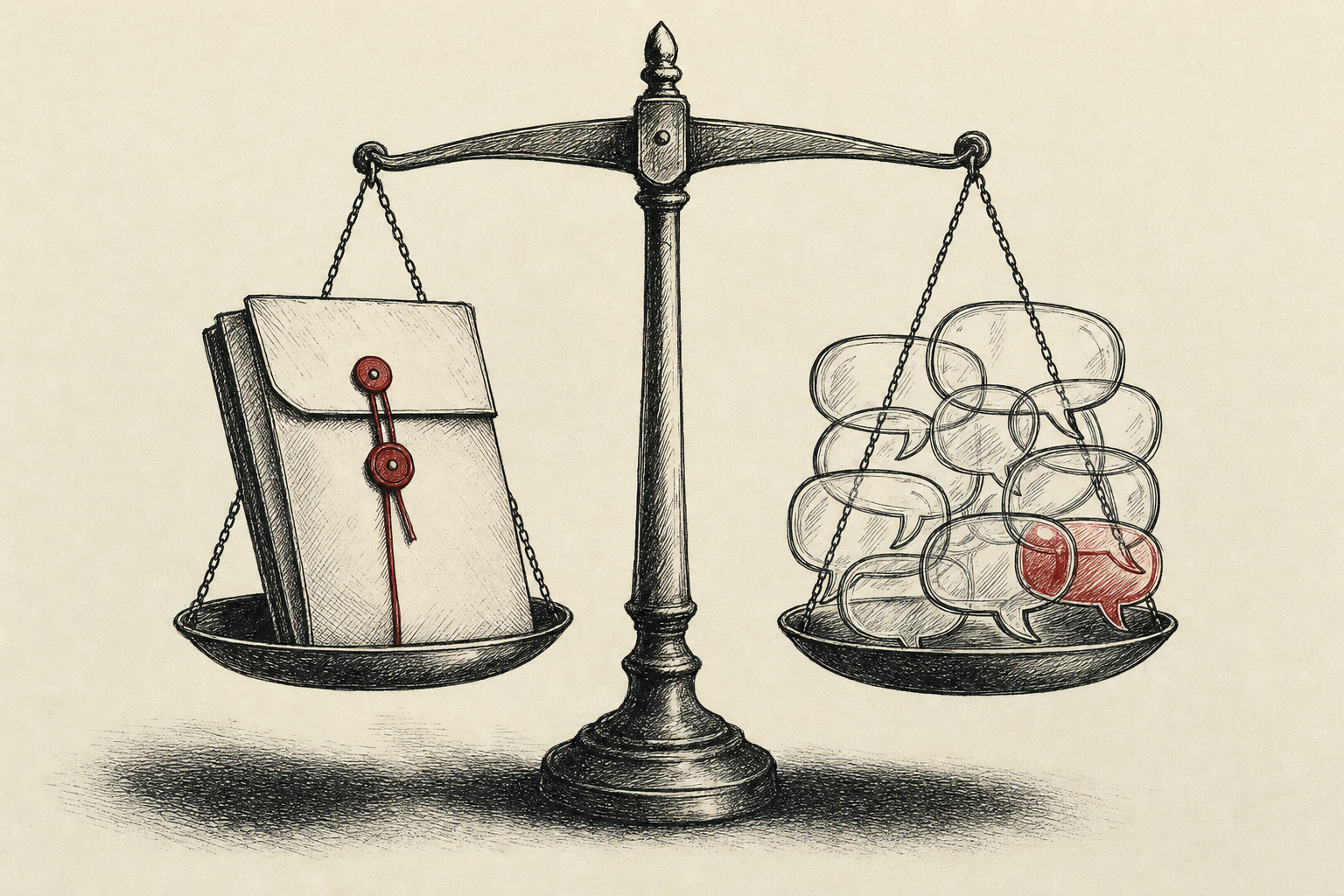
OpenAI’s reference to documentary messages is potentially important because contemporaneous communications can help establish chronology, knowledge, and intent. That does not, by itself, prove OpenAI’s account: selected messages may lack surrounding context, and a court would evaluate admissibility, authenticity, and competing evidence. The feed summary also provides no response from Apple, so readers are seeing only OpenAI’s framing of the dispute. There is no information about requested damages, injunctions, hearings, deadlines, settlement discussions, or operational effects on either company.
What happens next will depend on the actual legal filings, Apple’s response, and whether the disclosed messages withstand scrutiny alongside the complete evidentiary record. Important unresolved questions include the substance of Apple’s claims, the identities and roles of the employees concerned, the venue and procedural status of the case, and whether OpenAI released all relevant communications or only excerpts. Until the full article and primary court documents are available, the central conclusion should remain limited: OpenAI rejects Apple’s allegations and says written communications support its defense, but the merits cannot be independently determined from the supplied summary.
Positives
- OpenAI says it released messages documenting the disputed events, creating a potential evidentiary record that can be compared with the parties’ legal claims.
- OpenAI directly addressed unspecified allegations concerning its employees rather than allowing Apple’s account to stand unanswered.
- The August 3, 2026 publication establishes a dated public statement of OpenAI’s position on the lawsuit.
Risks & concerns
- Apple’s lawsuit places the two companies in a direct legal conflict, although the supplied summary does not identify the claims, court, case number, or requested remedies.
- OpenAI says Apple made incorrect claims about its employees, indicating potential reputational consequences for staff whose names and alleged conduct were not provided.
- The disclosed messages cannot be evaluated because their contents, context, authorship, and completeness were absent from the available source material.
- The source presents only OpenAI’s position and includes no response from Apple or independent assessment of whether the lawsuit has merit.
- No procedural timeline or next steps were supplied, leaving the case’s status and potential business impact uncertain.