OpenAI Targets Apple’s Security Controls in Trade Secrets Lawsuit
OpenAI says Apple's iCloud and offboarding practices weaken its trade secrets lawsuit as Apple seeks expedited discovery into former engineers and witnesses.
Summary
Reported facts, OpenAI has moved to dismiss Apple’s trade secrets lawsuit, using newly filed exhibits to challenge whether the disputed information was protected closely enough to qualify as trade secrets. Apple’s complaint, filed in July 2026, alleges that OpenAI orchestrated an effort to obtain confidential hardware information through engineers who left Apple for the AI company. The filings described by TechCrunch do not establish that either side’s account is true, and the court has not ruled on the dismissal request.
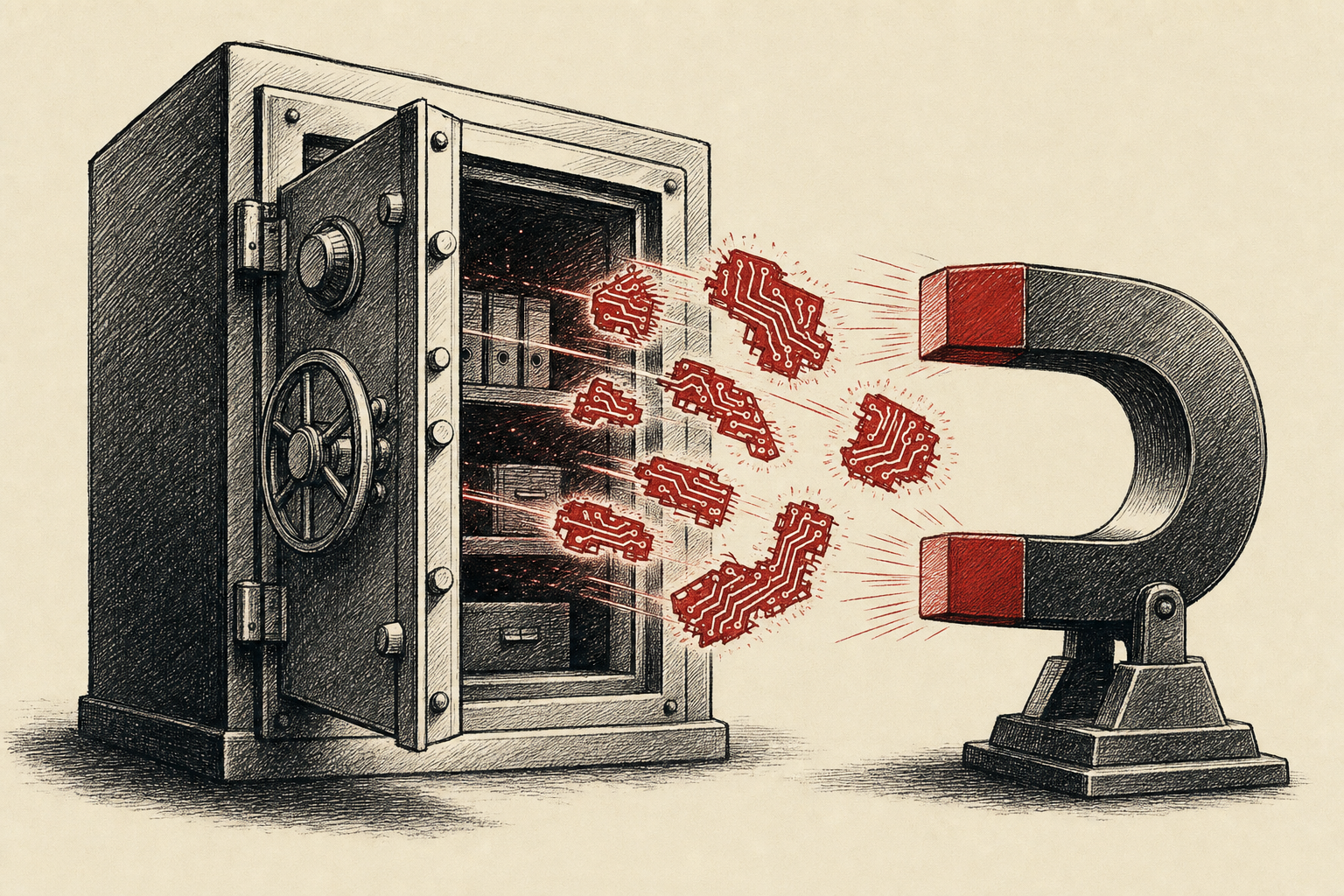
Reported facts, Apple asked the court during the week of August 6 to expedite discovery. The company said an internal investigation indicated that additional former employees may have participated in or witnessed the alleged removal of trade secrets. OpenAI’s response does not primarily hinge on whether former Apple personnel accessed particular material. Instead, it attacks Apple’s handling of sensitive information, including its alleged practice of allowing employees to conduct work through personal iCloud accounts and its claimed failure to revoke access properly when workers departed.
OpenAI’s exhibits include text messages concerning defendant and former Apple engineer Chang Liu. According to OpenAI’s filing, an Apple manager remained signed in to Liu’s personal iCloud account after his departure so files could be transferred. The manager allegedly later contacted Liu for help with technical questions about Apple projects. OpenAI presents those exchanges as evidence that Apple’s offboarding procedures created ambiguous or unwanted access and that former employees were sometimes assisting previous colleagues rather than participating in a coordinated theft scheme. Apple’s interpretation of those events remains contested.
OpenAI also argues that Apple has not identified the allegedly stolen secrets with enough precision. It says the complaint relies on broad areas of product development, including component manufacturing, product testing, supplier and vendor relationships, and distribution channels. The strategic significance is clear: if OpenAI can persuade the court that Apple neither defined the information specifically nor treated it consistently as secret, it may weaken Apple’s case before extensive discovery begins. That does not mean an unlocked or poorly managed system makes unauthorized acquisition permissible; it means Apple’s security controls and treatment of the information could become central legal questions.
The broader dispute concerns competition for AI and hardware talent. OpenAI claims it has no need for Apple’s information, is developing something fundamentally different, and is being sued because Apple is losing employees and trailing in AI integration. Those assertions are advocacy, not independently established findings. Apple, meanwhile, portrays the matter as an organized attempt to acquire confidential hardware knowledge. The next major questions are whether the court expedites discovery, whether Apple must identify its asserted secrets more specifically, and whether the dismissal motion succeeds. It also remains uncertain how many former employees are under scrutiny, what exact files were involved, whether OpenAI received or used them, and how the court will interpret the iCloud and offboarding evidence.
Positives
- OpenAI submitted text-message exhibits that may give the court concrete evidence about how Apple personnel handled Chang Liu’s personal iCloud account after he left the company.
- The dismissal motion could force Apple to identify the disputed information more precisely than broad categories such as product testing, component manufacturing, and supplier relationships.
- Apple’s request for expedited discovery could help establish whether additional former employees participated in or witnessed the alleged conduct.
- The filings expose potential weaknesses in corporate offboarding practices, including continued account access and post-departure requests for technical assistance.
Risks & concerns
- Apple alleges that OpenAI orchestrated a scheme to obtain confidential hardware information from engineers who had left Apple, although that allegation has not been proven.
- Apple’s internal investigation reportedly identified additional former employees who may have participated in or witnessed the alleged removal of trade secrets.
- OpenAI claims Apple allowed work through personal iCloud accounts and failed to revoke access properly, practices that could leave sensitive project information exposed or create uncertainty over authorized access.
- The dispute could expand into costly discovery over employee communications, file transfers, hardware development information, and the conduct of an unspecified number of former Apple workers.
- OpenAI’s accusation that Apple is using litigation to hinder a hardware competitor intensifies an already significant conflict over AI talent and product development.