Peer Review Crisis Deepens as AI Fuels Research Flood
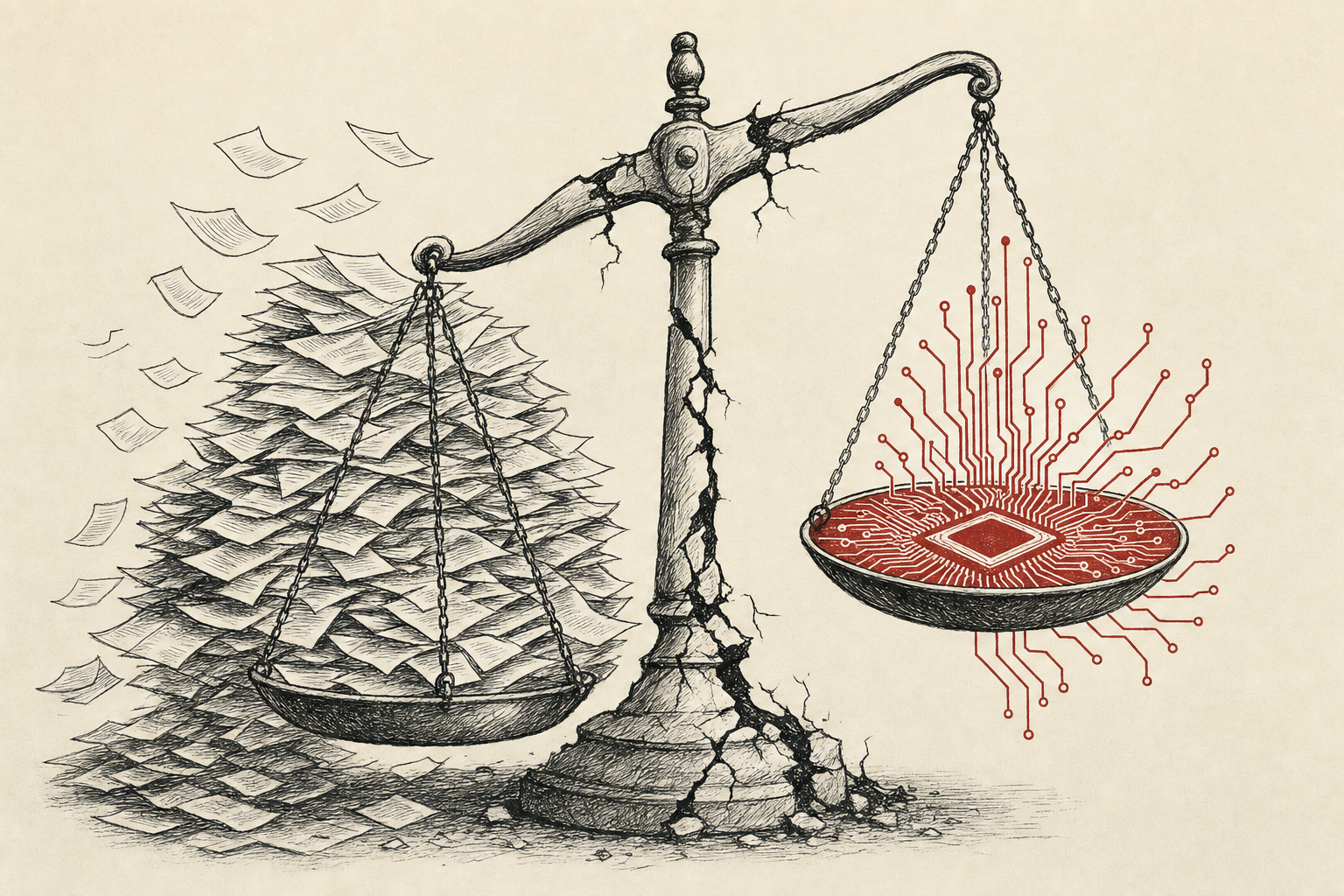
Peer review buckles under 5.6% annual paper growth as AI adds volume and shortcuts, pushing journals toward paid reviews, preprints and new publishing models.
Summary
Ars Technica reported on August 10, 2026, that Des Moines University health economist Jason Semprini’s study found elementary school HPV vaccine mandates did little to reduce population cervical cancer rates, although HPV causes most cases. A sole reviewer misread this as doubting the vaccine and rejected it. Scopus and Web of Science paper counts are growing 5.6 percent annually; peer review consumes 15,000 researcher years yearly, with US labor worth $1.5 billion. Steven Mack now emails 30 researchers for one reviewer, versus five to 10 for three five years ago; Sebastian Lourido gets 10 monthly requests but can do one or two.
Universal for only about 50 years, peer review helped shield National Science Foundation funding from political control in the 1970s after a 25-fold postwar increase. Journals proliferated from 1960 to 2020, while online capacity, special issues, interdisciplinary studies, AI writing, global English submissions and paper mills expanded volume. Top AI conference submissions rose twofold to tenfold since 2019. Helen Qu now blogs exclusively; Lightcone Infrastructure’s AI Alignment Forum uses votes, comments and annual reassessments. CEO Oliver Habryka says fewer than 50 percent of useful machine learning citations are peer reviewed; David Thorstad warns informal work can become uncitable.
Frontiers found over half of reviewers use AI. Leiden linguist Marijn van Putten spent two days chasing a hallucinated citation; New Mexico Tech’s Chris ChoGlueck warns chatbot uploads may breach confidentiality. NeurIPS will test an AI assistant this year that cannot write reviews. Fixes include arxiv.org preprints, broader recruitment, $100 to $300 payments shown to accelerate reviews without reducing quality, portable reviews and Cameron Neylon’s interest threshold. Immunology has moved from three reviewers toward two, while economics journals already pay. Job and grant incentives plus public trust make abolition unlikely, but unchecked growth may force fewer journals and fragmented standards.
Positives
- $100 to $300 payments per review have accelerated decisions without evidence of lower quality.
- NeurIPS will test an AI assistant that supports research and comprehension without writing reviewers’ assessments.
- The AI Alignment Forum combines voting, comments and annual reassessments to surface research and counterarguments quickly.
- Arxiv.org preprints increasingly support grant and job applications while researchers await formal publication.
- Portable reviews could let rejected papers move between participating journals without repeating the entire assessment process.
Risks & concerns
- Scopus and Web of Science paper counts are rising 5.6 percent annually, while peer review already consumes 15,000 researcher years each year.
- Steven Mack now contacts about 30 researchers to secure one reviewer, versus five to 10 contacts for three reviewers five years ago.
- Top AI conference submissions have increased twofold to tenfold since 2019, increasing the likelihood of underqualified assessments.
- Over half of surveyed Frontiers reviewers use AI, creating risks from hallucinated references and confidential manuscript uploads.
- Immunology’s typical reviewer count has fallen from three toward two, reducing protection against individual misunderstandings.
- Fewer than 50 percent of useful machine learning citations receive formal peer review, potentially isolating work from traditional journals.