Sonic Fire Tech Raises $15M for 20 Hz Acoustic Fire Suppression
Sonic Fire Tech raised $15 million to test a 20 Hz acoustic fire suppression system that targets flames within seconds, without water or chemical damage.
Summary
On August 17, 2026, Ohio-based Sonic Fire Tech announced a $15 million round led by The O.H.I.O. Fund, with Khosla Ventures participating, after a $3.5 million seed in October. The money will fund hiring and tests for National Fire Protection Association approval; NFPA model codes are adopted by fire departments nationwide. Approval usually takes about three years, but co-founder and CEO Geoff Bruder expects a significantly shorter process because the system leaves no suppressant residue, eliminating lab cleanup after tests whose preparation can take hours.
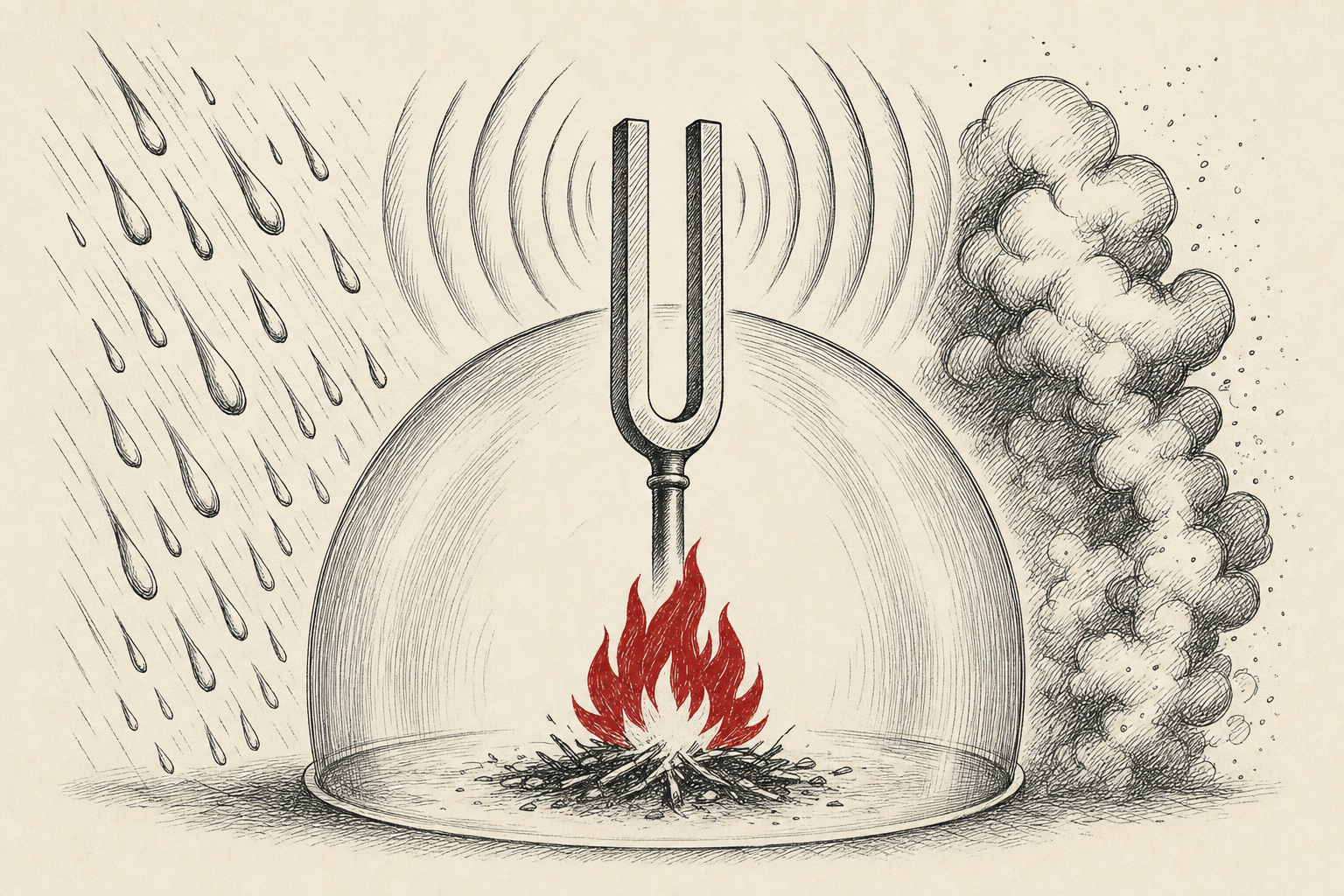
Sensors trigger a generator that sends inaudible, roughly 20 Hz infrasonic waves through ceiling PVC pipes, attacking flames within seconds without water or chemicals. COO Remington Bixby Hotchkis calls it the only technology creating its own suppressant without collateral damage, making false alarms less concerning. It could spare commercial kitchens months of restoration; 75% do not reopen after fires, while reduced damage has prompted insurer talks over premium discounts. Limited lithium-ion tests have contained rather than extinguished fires, potentially preventing outer-casing ignition and cell-to-cell spread. Sonic Fire Tech is developing interior systems for commercial buildings, kitchens and homes, for new construction and retrofits; an exterior wildfire product is progressing slower while awaiting a suitable lab. About 500 jurisdictions mandate interior protection, and Bruder says 50% of home fires begin in kitchens, where small installations could address grease or electrical fires that current sprinklers cannot handle while potentially lowering restoration costs and premiums.
Positives
- $15 million from The O.H.I.O. Fund and Khosla Ventures will support hiring and the testing required for NFPA approval.
- Roughly 20 Hz infrasonic waves can attack detected flames within seconds without releasing water or chemical suppressants.
- Limited lithium-ion battery tests contained fires and showed potential to prevent outer-casing ignition and cell-to-cell spread.
- Insurers are discussing whether Sonic Fire Tech installations could qualify customers for premium discounts.
- Systems are being developed for commercial buildings, kitchens and homes, covering both new construction and retrofits.
Risks & concerns
- NFPA approval normally takes about three years, despite Geoff Bruder’s expectation that residue-free testing will shorten the process.
- Lithium-ion tests have contained fires but have not extinguished them, and only a few tests have been completed.
- The exterior wildfire protection system is progressing slowly because Sonic Fire Tech is waiting for access to a suitable laboratory.
- Commercial kitchen fires can require months of restoration, and Remington Bixby Hotchkis said 75% of affected kitchens never reopen.
- Sonic Fire Tech must complete extensive testing before its unapproved system can benefit from NFPA model-code adoption.