Suno Plans AI Music Watermarks as Copyright Lawsuits Mount
Suno plans durable audio watermarks, tighter usage rules, and download limits as lawsuits and training-data allegations threaten its AI music business.
Summary
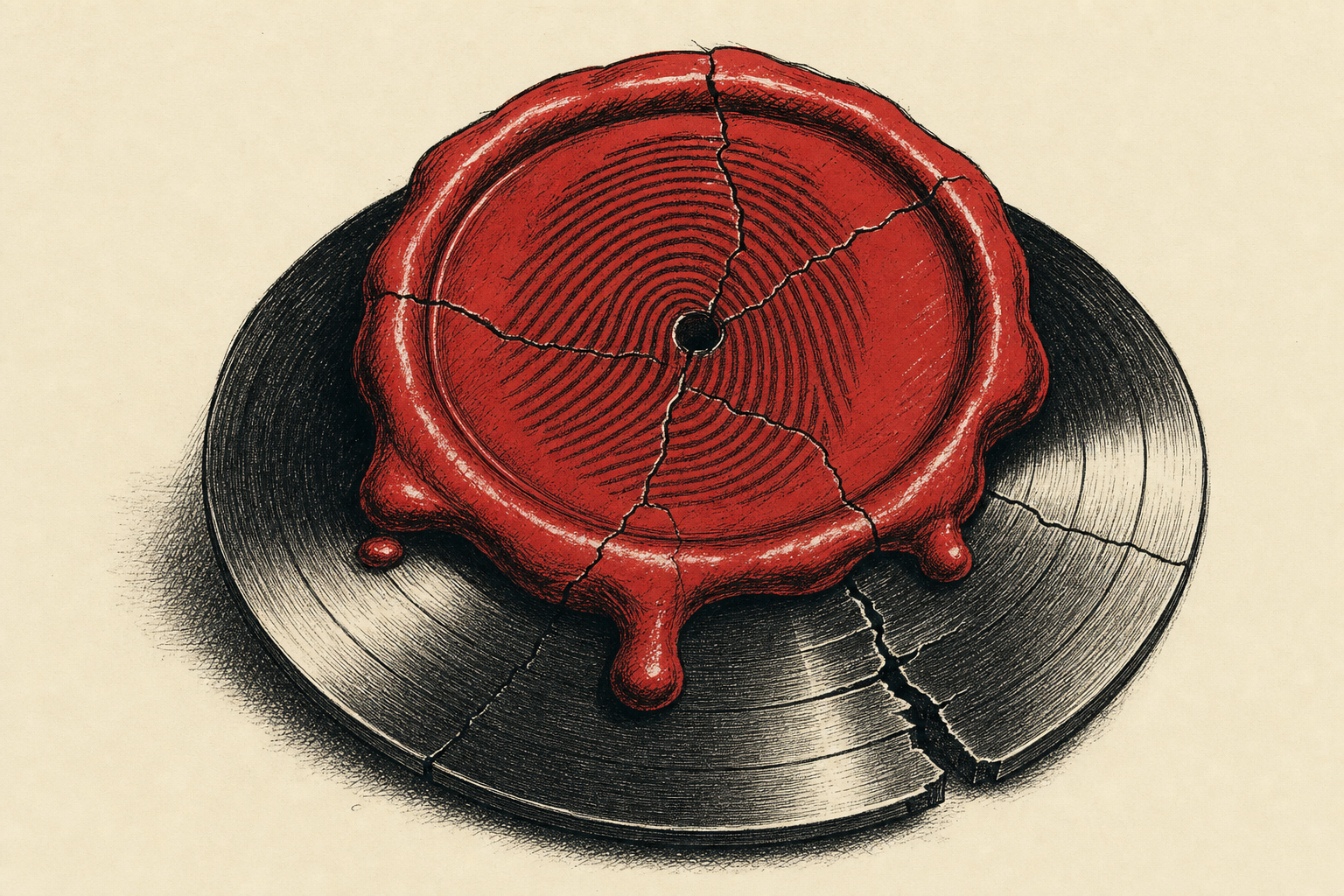
Reported facts: On August 6, 2026, AI music generator Suno announced plans to embed watermarks in every audio output produced by its models. CEO and co-founder Mikey Shulman said the change is intended to align the service with emerging standards for identifying synthetic media. The embedded signature would let streaming services and other partners detect Suno-generated tracks, label them as AI-made, or reject them. Suno has not disclosed when the system will launch or whether it will use proprietary technology or license an existing product.
Reported facts: The proposed watermark would be an inaudible code incorporated into each track’s waveform. Suno says its chosen technology will resist tampering without reducing audio quality, although the article provides no independent test results supporting those claims. One possible option is Google’s SynthID, which Google recently began licensing to outside companies. Google says SynthID has already labeled the equivalent of 60,000 years of Gemini-generated audio and more than 100 billion AI-generated images and videos, but Suno has not said it will adopt that system.
Reported facts: Suno is also tightening its usage rules and presenting its software as an aid for musicians and personal creative projects rather than a tool for flooding streaming platforms with automated tracks. The company bars prompts that name particular artists or songs and works with lyrics and music-data company Musixmatch to prevent users from uploading copyrighted material as the basis for generated compositions. Suno says an updated usage policy strengthens its prohibitions on such conduct. It also plans download restrictions following a 2025 settlement with Warner Music Group; Shulman said most users would not be affected, but the exact limits remain under development.
Reported facts: These changes arrive amid substantial legal and reputational pressure. Universal Music Group and Sony are suing Suno in the United States for alleged copyright infringement, while a German court recently found that the company had violated German music-licensing law. Separately, information exposed in a late-2025 hack indicated that Suno scraped material from services including YouTube and Deezer to train its models. Suno did not disclose the breach, which may have exposed private information belonging to millions of users, and it now faces a Massachusetts lawsuit connected to the incident.
Assessment: Watermarking could give Spotify and other distributors a practical way to distinguish Suno output from human-made music, potentially improving disclosure and helping platforms address fraud or bulk uploads. It does not, however, establish that Suno’s training practices were lawful, compensate rights holders, or resolve the pending litigation. The policy shift therefore appears both operational and reputational: it offers safeguards against future misuse while helping Suno reposition itself as a more responsible participant in the music industry.
Assessment and outlook: The effectiveness of the plan will depend on technical resilience, adoption by music platforms, and whether malicious users can remove or corrupt the embedded signature. A successful attack could potentially strip identification from tracks generated before the vulnerability is fixed. Watermarks also cannot identify music made with competing services that decline to participate or open models running on private hardware. Key unknowns include Suno’s launch schedule, its technology provider, the details of its download caps, platform participation, and whether any of these measures will affect the lawsuits or potential financial penalties.
Positives
- Suno plans to watermark every audio output from its models, enabling participating platforms to identify, label, or block AI-generated tracks.
- The company says its proposed watermark will be embedded inaudibly in the waveform and designed to resist tampering without degrading audio quality.
- Suno prohibits prompts naming specific artists or songs and partners with Musixmatch to help prevent copyrighted uploads from being used as source material.
- Suno has strengthened its usage policy and is developing download limits intended to reduce large-scale abuse while reportedly leaving most users unaffected.
- Existing technology could support the initiative, with Google reporting that SynthID has labeled 60,000 years of Gemini-generated audio and more than 100 billion images and videos.
Risks & concerns
- Suno has not identified its watermarking technology, provided a launch date, or supplied independent evidence that the system will withstand tampering without affecting quality.
- Universal Music Group and Sony are suing Suno for alleged copyright infringement in the United States, and a German court has found the company in violation of German music-licensing law.
- A late-2025 hack reportedly revealed that Suno scraped training material from YouTube, Deezer, and other sources, creating further questions about its data practices.
- Suno did not disclose that breach, which may have involved private information from millions of users and has prompted a lawsuit in Massachusetts.
- Watermarking cannot address unlabeled music produced by nonparticipating services or open models, and a successful method for removing Suno’s signature could undermine identification of previously generated tracks.