Why AI Purchase Intent Fails at Checkout, According to Rezolve Ai
Rezolve Ai says legacy commerce stacks lose AI ready buyers at checkout, where broken context and back end gaps compound an average 70% cart abandonment rate.
Summary
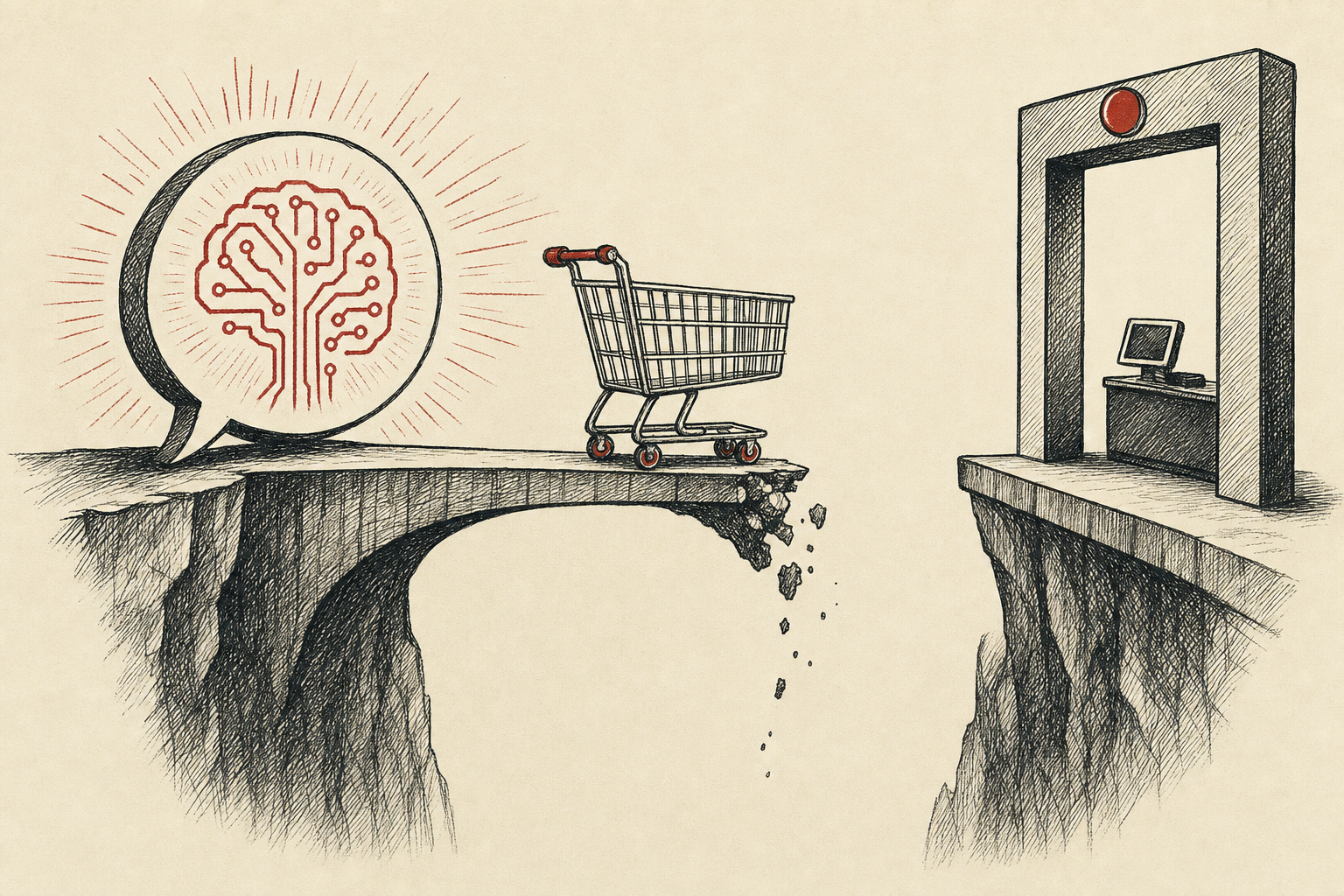
In a sponsored VentureBeat article presented by Rezolve Ai and published August 11, 2026, the company argues that AI assistants create purchase ready consumers by comparing options and answering follow up questions, but legacy commerce systems still expect shoppers to arrive through search or direct links, browse products and complete multi step checkouts. Intent generated outside a brand’s site loses conversational context and session continuity at the handoff. Baymard Institute puts average cart abandonment at 70%, a figure predating agentic commerce that Rezolve Ai expects could worsen as AI referrals increase.
Legacy stacks separate search, recommendations, personalization and checkout, while inventory, pricing, promotions, order management and fulfillment data are not reliably exposed for safe AI access. Rezolve Ai says agents must verify stock, apply pricing and channel rules, preserve brand policies and select fulfillment paths without breaking context. Its January 2025 commissioned research across 1,500 US consumers found that friction immediately after an AI recommendation made purchase completion significantly less likely than friction atop a traditional funnel, although no percentage was provided. Front end improvements cannot repair this back end failure, leaving brands investing in AI discovery exposed to lost sales and trust. Rezolve Ai says execution infrastructure enabling governed, accurate and brand safe transactions will become the competitive priority, but most enterprise roadmaps have not caught up.
Positives
- AI assistants can compare options, answer follow up questions and deliver consumers who have already decided what to buy.
- Brands connecting external intent to governed, accurate and brand safe transactions could gain a structural advantage in agentic commerce.
- Rezolve Ai’s January 2025 study of 1,500 US consumers identifies post recommendation friction as a distinct conversion issue.
Risks & concerns
- Baymard Institute’s 70% average cart abandonment rate predates agentic commerce and could worsen as more purchase intent originates in AI interfaces.
- External AI handoffs often discard conversational context and session continuity, sending purchase ready consumers into generic checkout flows.
- Inventory, pricing, order management and fulfillment systems are not reliably exposed for safe, accurate access by AI agents.
- Brands investing in AI discovery without updating execution infrastructure risk lost transactions and declining consumer trust.
- Most enterprise commerce roadmaps have not shifted investment priority from discovery and experience toward transaction execution.