Zoox to Launch Paid Robotaxi Rides in Las Vegas on August 10
Zoox will begin charging for Las Vegas robotaxi rides on August 10 after winning a two-year federal exemption covering up to 2,500 vehicles in its fleet.
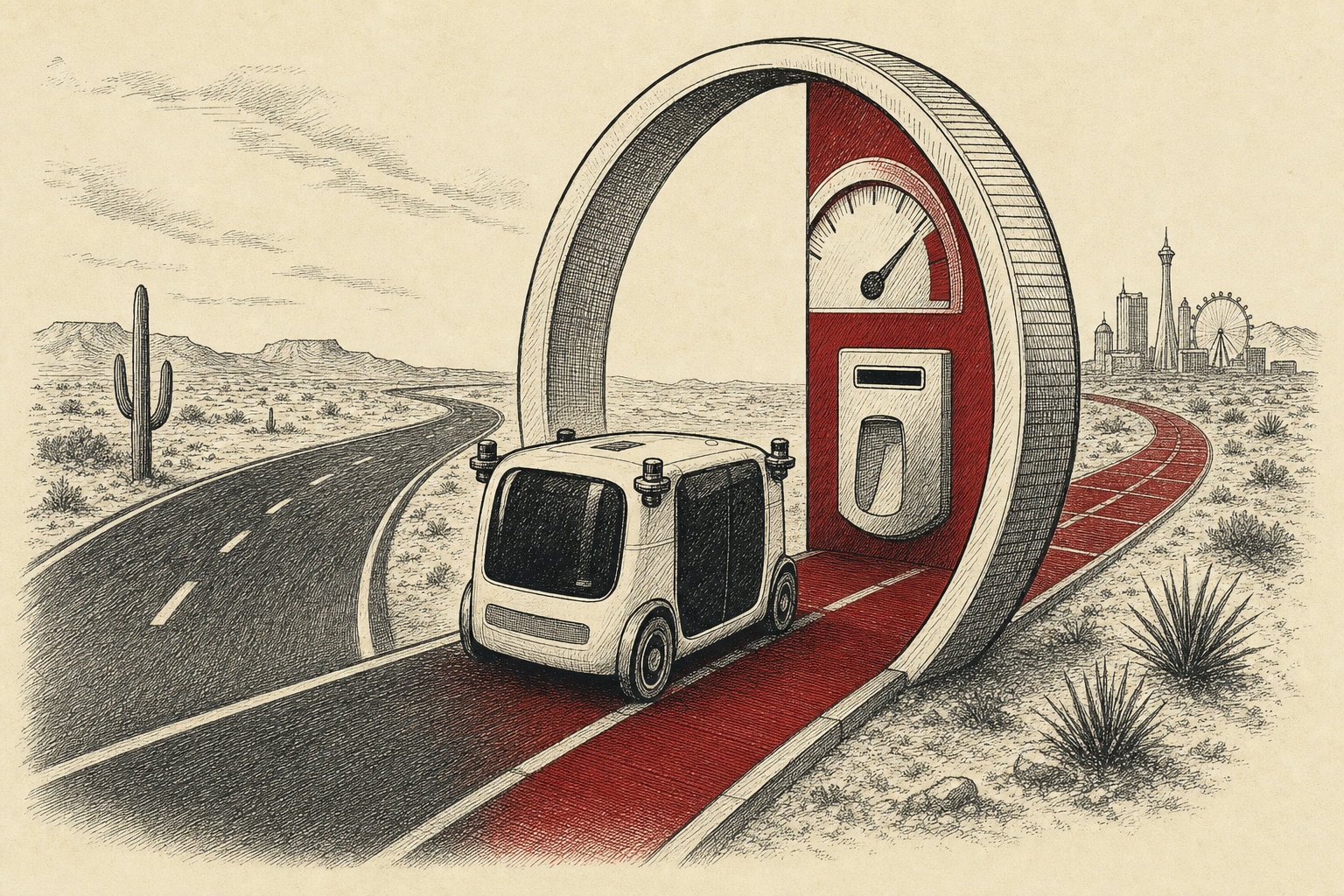
Summary
Verified facts: Zoox plans to begin charging passengers for robotaxi trips in Las Vegas on August 10, 2026, formally moving its service there into commercial operation. The Amazon-owned autonomous vehicle company opened the Las Vegas service to the public nearly a year earlier but had been providing rides without a fee. The announcement represents the first time Zoox can generate fare revenue from its purpose-built robotaxis, after years of development, testing and regulatory work.
Background: Founded in Silicon Valley in 2014, Zoox set out to build the complete service rather than add autonomous technology to a conventional car. Its strategy encompasses a custom electric vehicle, the software and sensors needed for self-driving operation, and an app for requesting rides. Amazon acquired the company in 2020. Later that year, Zoox revealed its box-shaped robotaxi, which has no steering wheel or pedals and includes an expansive roof window. The company has spent roughly six years testing and revising the vehicle since that unveiling, while navigating funding challenges, technical development, permit requirements and several recalls.
Regulatory facts: The immediate catalyst for paid service was a temporary exemption granted by the National Highway Traffic Safety Administration in late July or early August 2026. Zoox needed federal relief because its unconventional vehicle omits controls found in ordinary passenger cars and therefore does not conform to every standard written around traditional vehicle designs. An earlier exemption permitted public demonstrations but not paid trips. The new commercial exemption lasts two years, covers as many as 2,500 vehicles and applies across eight federal motor vehicle safety standards, including requirements related to windshield defrosting and light-vehicle braking systems.
Service and pricing details: Zoox says each fare will combine a starting charge with components based on trip distance and time between pickup and drop-off. The price will be calculated using the preferred route and shown before a customer books; Zoox says that quoted amount will remain fixed if the robotaxi takes another route. Additional destination charges may apply to airport journeys and trips involving heavily attended venues such as the Sphere or T-Mobile Arena. The company has not disclosed exact rates, saying only that it aims to compete with the comfort-tier pricing of established ride-hailing platforms.
Interpretation and outlook: Charging passengers is an important test of whether Zoox can turn a long-running engineering program into a viable transportation business, although the exemption does not itself prove profitability, broad consumer demand or readiness to deploy all 2,500 permitted vehicles. Las Vegas riders, competing ride-hailing services and local transportation operators will be the first groups directly affected. Zoox also offers rides in San Francisco and Austin, but those services must remain free for now; in California, it still needs two additional permits before starting commercial operations. Key unknowns include initial fleet size, service boundaries, ride availability, detailed pricing, customer adoption and what regulatory conditions will follow when the two-year federal exemption expires.
Positives
- Zoox will begin collecting fares in Las Vegas on August 10, 2026, nearly a year after opening its robotaxi service there to the public for free.
- NHTSA’s two-year commercial exemption gives Zoox authority to deploy up to 2,500 vehicles despite its robotaxis lacking conventional steering wheels and pedals.
- Passengers will see the complete fare before booking, and Zoox says the price will not increase if the vehicle ultimately follows a different route.
- Zoox has expanded public robotaxi access beyond Las Vegas to San Francisco and Austin, even though rides in those two markets must remain free for now.
- The commercial launch advances a vertically integrated system that Zoox has developed since 2014, including the electric vehicle, autonomous-driving technology and ride-request app.
Risks & concerns
- The federal authorization is temporary, lasting only two years, leaving uncertainty about the requirements Zoox will face when the exemption expires.
- Zoox has not disclosed exact fares, initial fleet size, operating boundaries or expected ride availability for the Las Vegas commercial launch.
- Possible destination surcharges for airport trips and high-traffic events at the Sphere or T-Mobile Arena could raise the final cost for some passengers.
- The company’s 12-year development history has included funding and technical obstacles, permitting difficulties and several vehicle recalls.
- Zoox cannot yet charge for rides in San Francisco or Austin, and it still needs two additional California permits before beginning commercial service there.